Workshop on strengthening the fiscal and accounting capacities of young people who have received public funding, organised by MINJEC partner "SIMPLY-FINANCE" 📌Franco Hotel Yaoundé 🗓️ Wednesday, 4 February 2026
SIMPLY-OFFICE ??? 🤔🤔🤔
It is a Certified Management Centre (CGA), an association approved by the Ministry of Finance, primarily intended for small businesses (industrial, commercial, craft, agricultural) to assist them with management, accounting and the prevention of economic difficulties.
SIMPLY-OFFICE is a company specialising in supporting the creation and monitoring of businesses, offering the following services:
-PRÉPARATION DU DOSSIER FISCAL,
-TAX ADJUSTMENT,
-MONITORING AND FILING OF TAX RETURNS,
-TRANSITION DE RÉGIME,
-TRAINING AND SPECIALISATION
As a partner of the Ministry of Youth and Civic Education through the Guarantee Fund for Young Entrepreneurs (FOGAJEUNE), SIMPLY-OFFICE is including this workshop in the economic component of activities leading up to the celebration of the 60th edition of Youth Day in Cameroon.
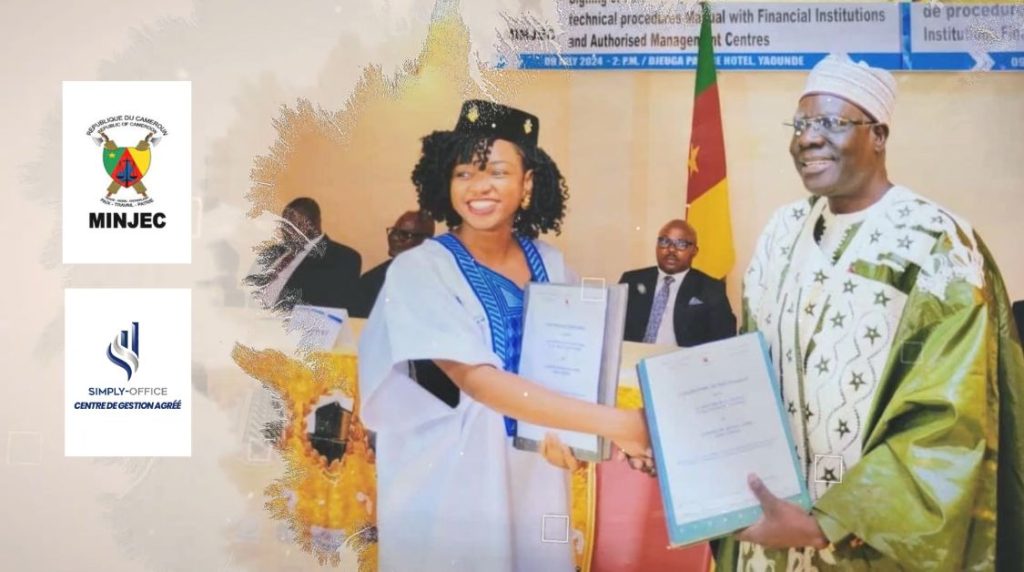
The Minister of Youth and Civic Education, MOUNOUNA FOUTSOU, presided over the formal ceremony for this workshop through his representative, the Regional Head of FOGAJEUNE for the Centre, ONABEL ATANGANA Éric Laurent.
The panel is installed.
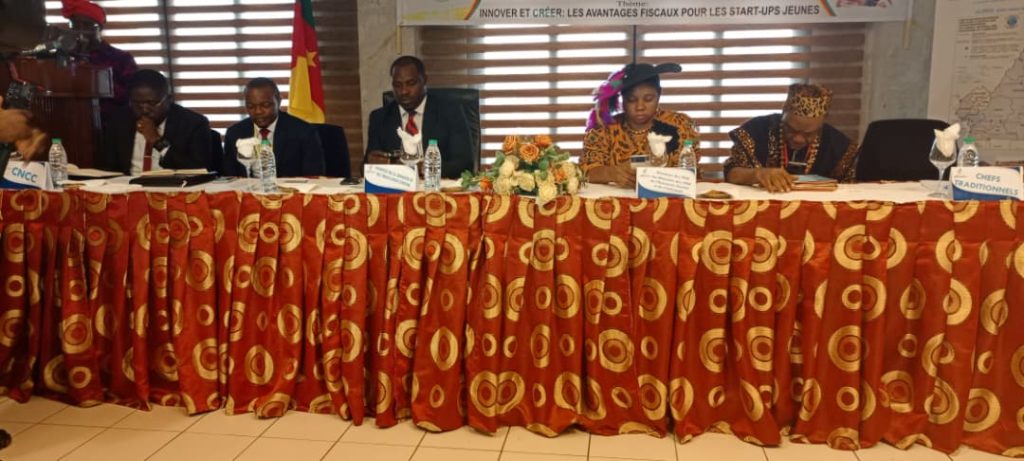
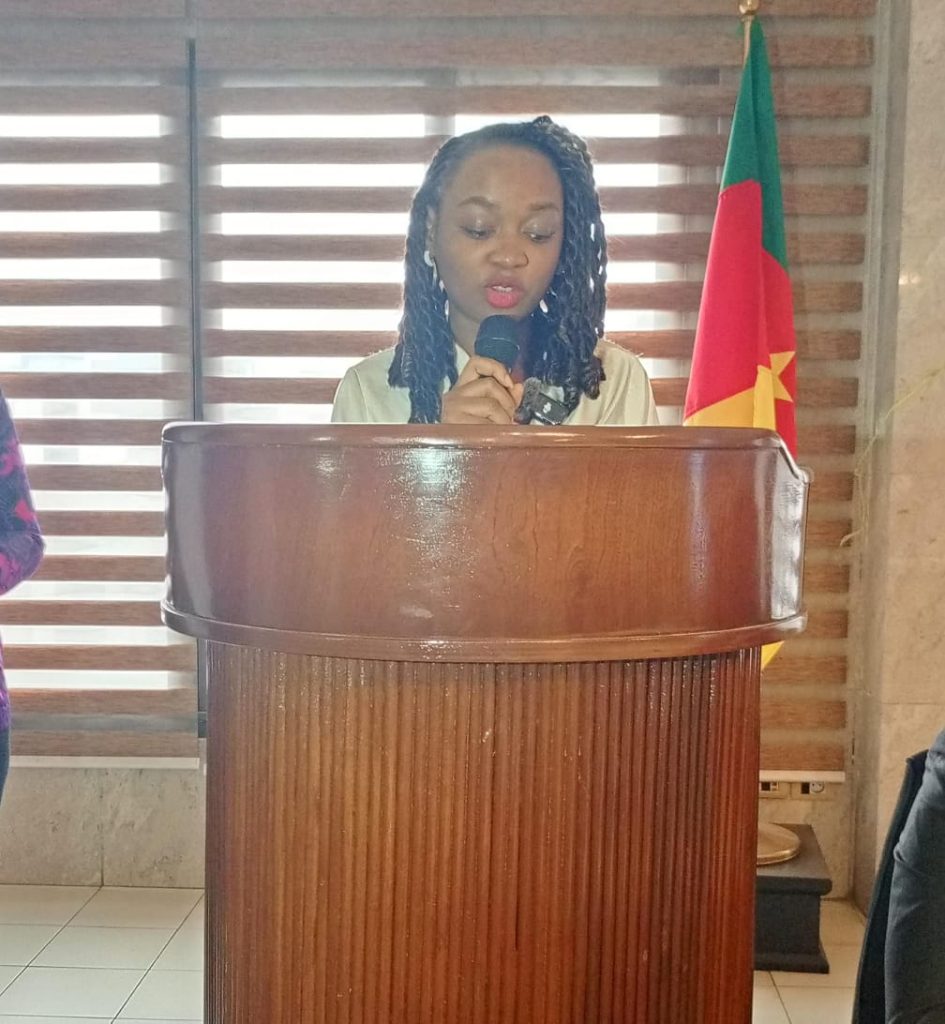
Now, Francine ELEMVA, Managing Director of CGA SIMPLY-OFFICE, will present the project and today's activities. After the customary pleasantries, she returns directly to the purpose of today's workshop, namely "Creating an ecosystem conducive to innovation and business creation", with the chosen theme being "Innovate and create: tax advantages for young start-ups".
The aim will therefore be to explore the tax advantages available to young people across all sectors of activity. She went on to thank MINJEC for their support for youth entrepreneurship and welcomed the existing partnership between the two organisations. She therefore encouraged young people to be active and attentive throughout the proceedings so that they could absorb and capitalise on all the lessons taught today.
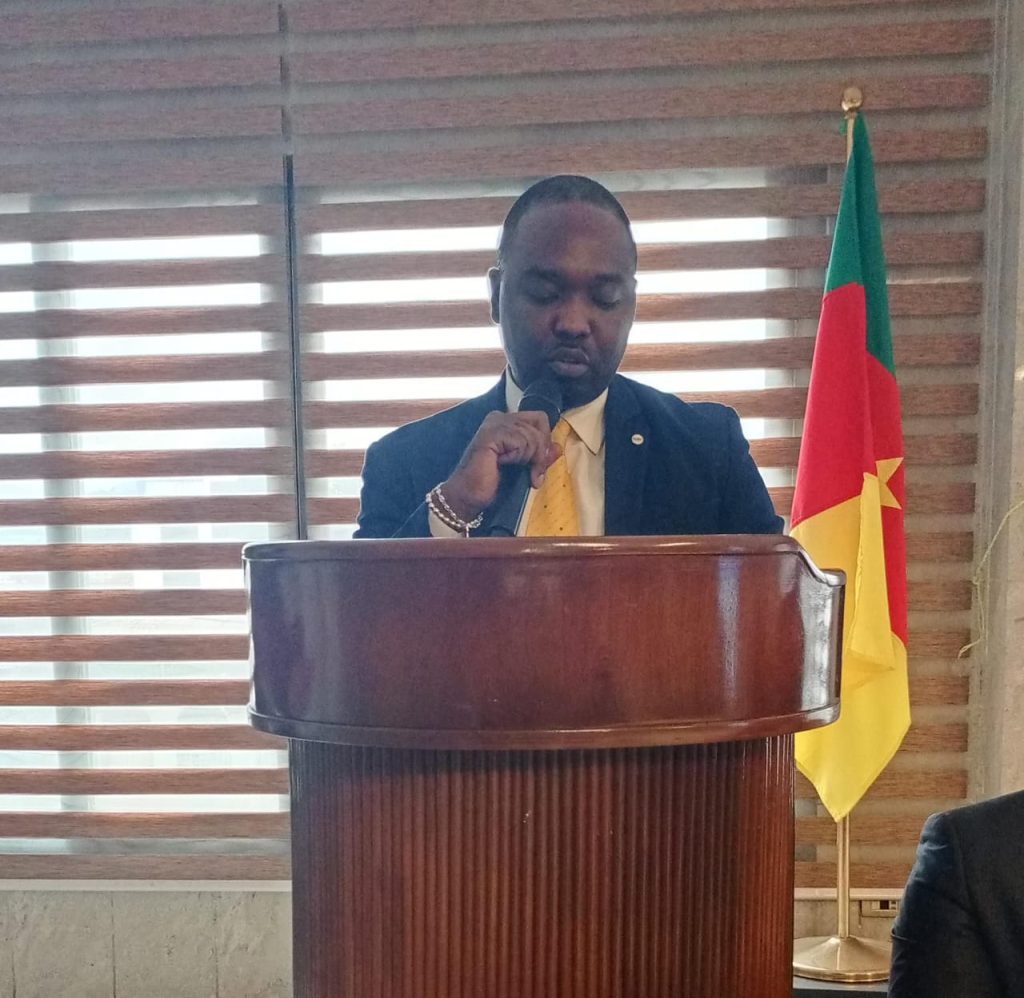
Now it is time to hear from our financial partners, represented here by the Caisse Camerounaise d’Epargne et de Crédit (CCEC). Through its Chief Financial Officer, the CCEC will present the origins of the Guarantee Fund for Young Entrepreneurs and the joint arrangements for supporting young people through project financing.
Other success stories in pictures
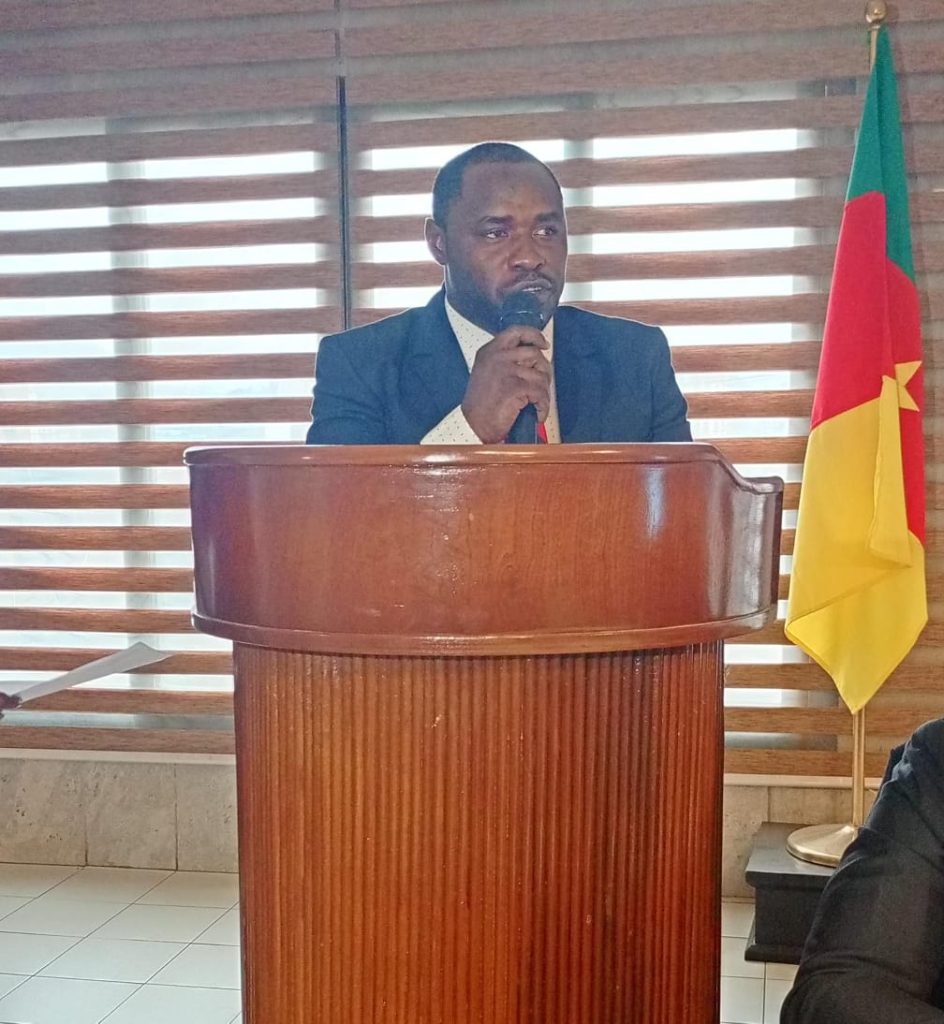
In his speech, he welcomed this initiative, which deserves to be continued, and thanked the Director of SIMPLY-OFFICE for involving MINJEC in this project. He returned to the existing partnership between MINJEC and SIMPLY-OFFICE, which aims to equip young entrepreneurs receiving public funding with the tools they need to manage their businesses optimally in terms of tax and accounting. He emphasised the importance of such training in a context where young entrepreneurs are numerous but still lack the basics to successfully manage their various projects. He therefore invited them to take full advantage of this workshop, which brought together several experts. Concentration, participation and diligence are required not only from the young beneficiaries but also from all the young participants who have come to take part in this important workshop. With these words, he declared open, on behalf of the Minister of Youth and Civic Education, MOUNOUNA FOUTSOU, the workshop on strengthening the tax and accounting capacities of young entrepreneurs receiving public funding.
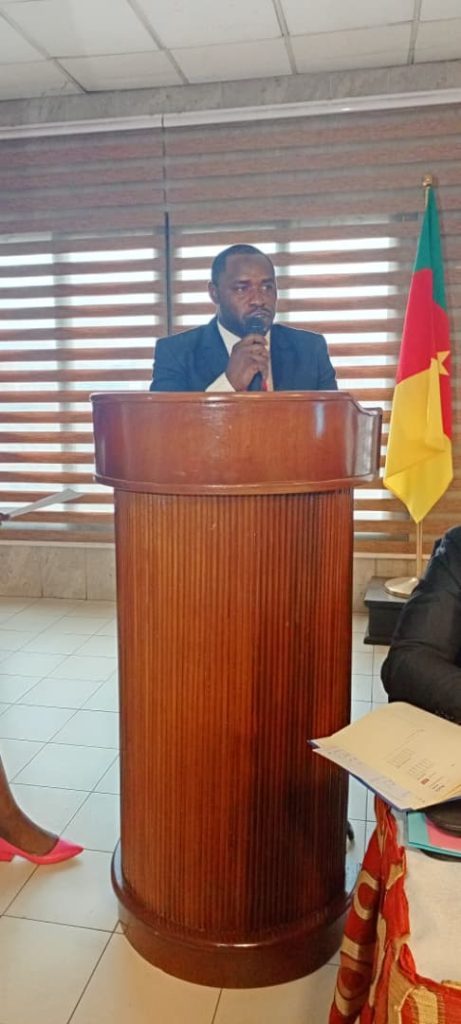
Interview with DONGO Vanyl, participant and beneficiary of FOGAJEUNE 👇
Interview with Espoir KEMGANG, participant and beneficiary of FOGAJEUNE 👇

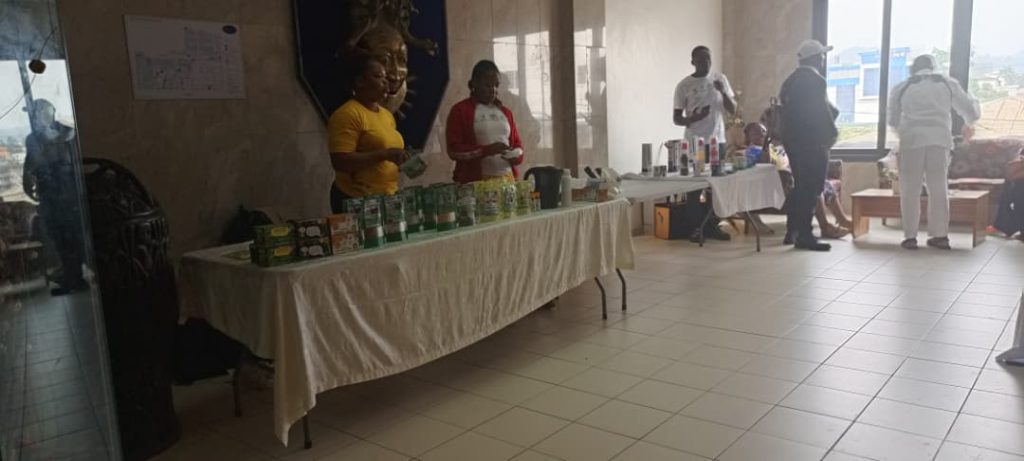
On site, several young entrepreneurs are taking advantage of the opportunity to present and offer their products.
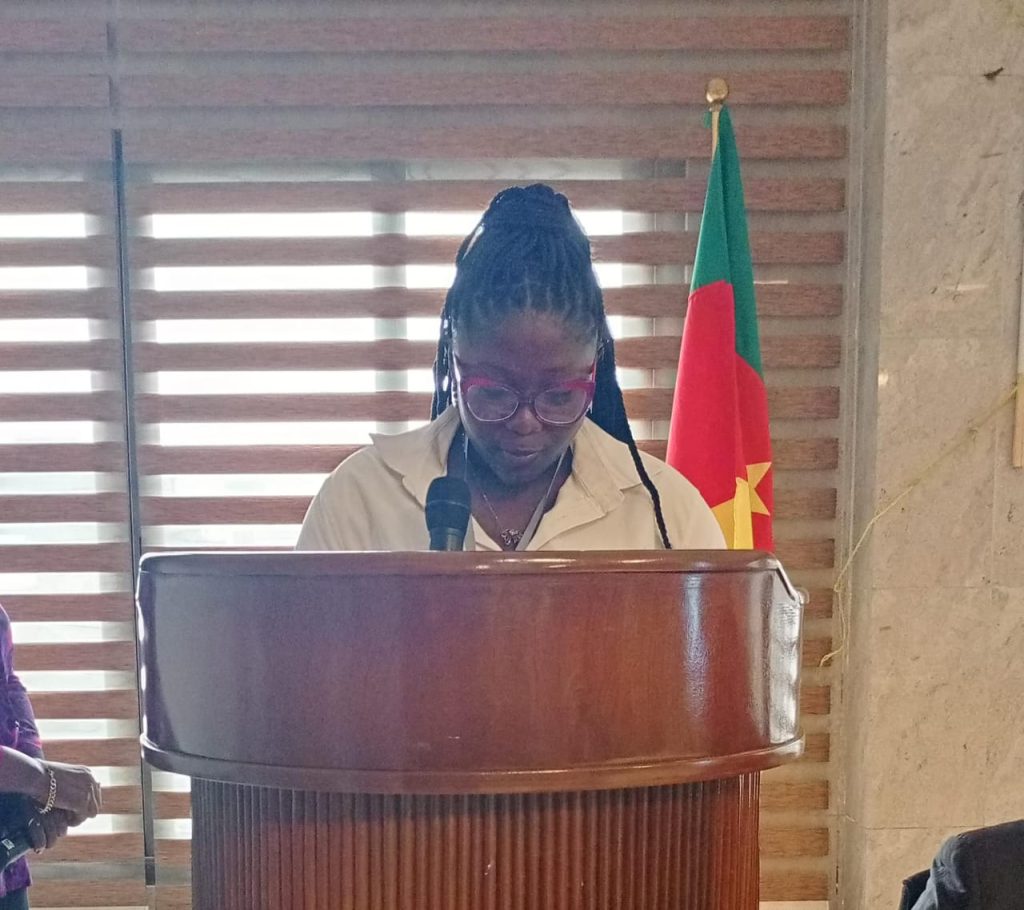
After the Cameroonian national anthem was played, Eboa Laly, a SIMPLY-OFFICE executive, gave a welcome speech.
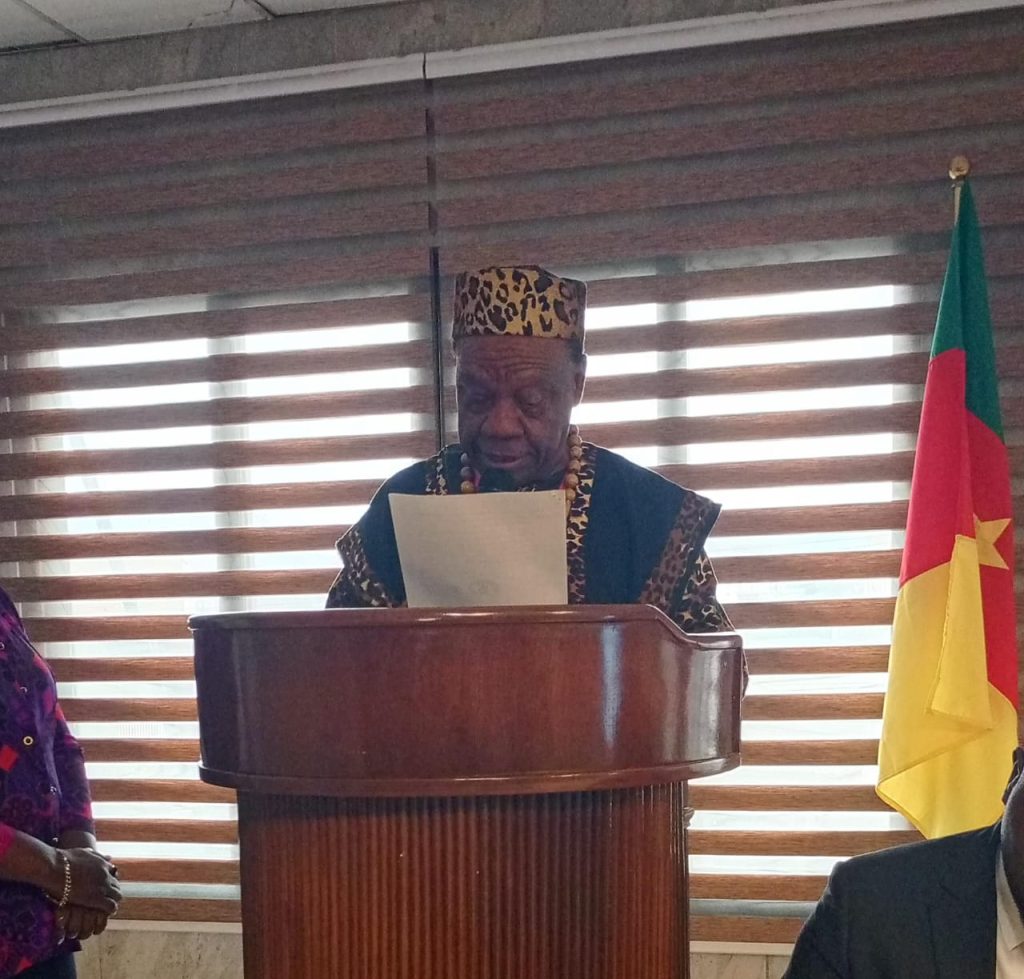
A word from the National President of Block Chiefs in Cameroon
After the customary pleasantries, he expressed his delight at being present at this workshop, which is fully in line with the vision of SND30. He pointed out that traditional chiefs also play a role in supporting young people in entrepreneurial initiatives, particularly at the local level. As a result, several projects have been supported by traditional leaders. He concluded by reiterating that he and his fellow block leaders remain committed to sparing no effort to support entrepreneurship among young Cameroonians.
Instant testimonial. This is a beneficiary of FOGAJEUNE. He participated in the Youth Connekt cluster challenge 2022 competition and ranked 2nd at the end of the competition. Today, he is at the head of the company "KUFULI SMARTLOCK" after receiving funding. In his testimonial, he recounts his journey from his first visit to a multifunctional youth promotion centre and his registration with the National Youth Observatory to obtaining his funding, including entrepreneurial capacity building, REAMORCE and multifaceted support from MINJEC.
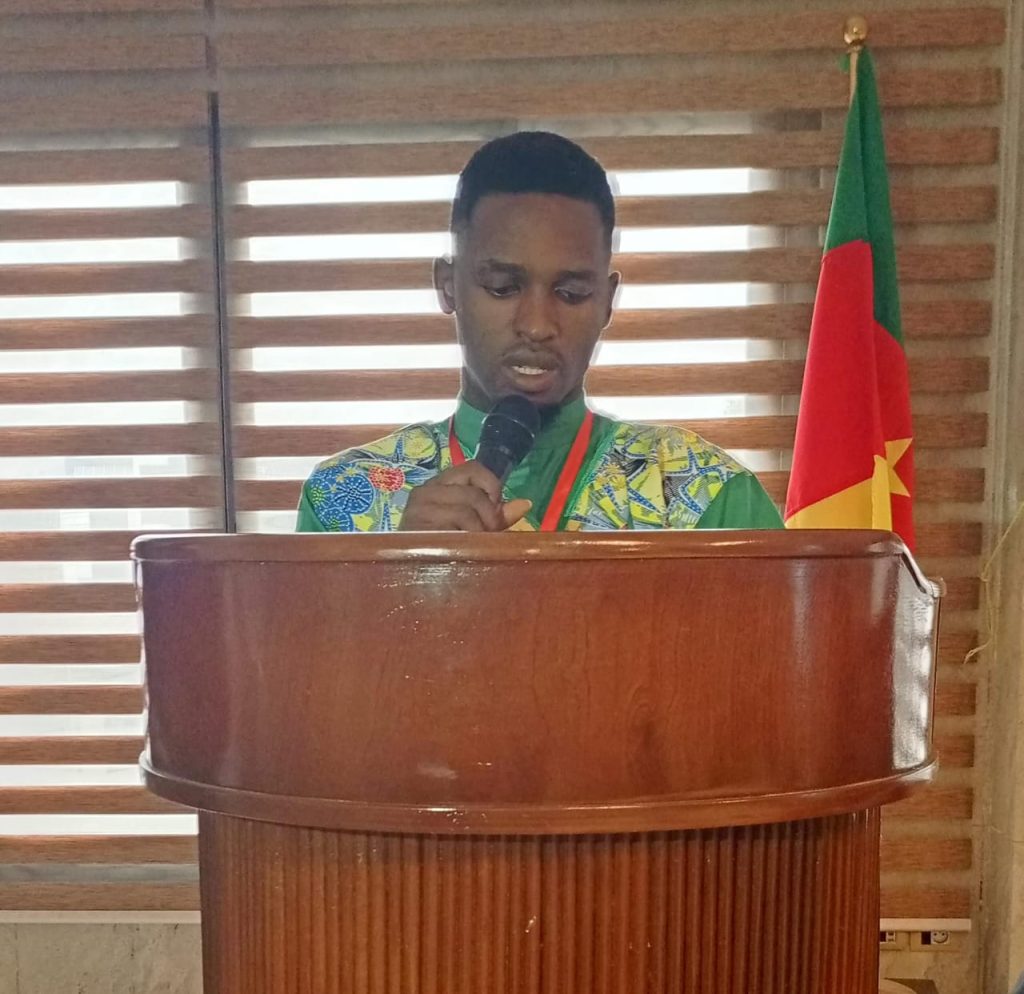
It is time for the message from the Minister for Youth and Civic Education.
But first, as is customary, FOGAJEUNE, the head of the Centre representing MINJEC, invited everyone to take part in a minute of civic duty, asking each person to make a kind wish for their neighbour and urging young entrepreneurs to pay their taxes.
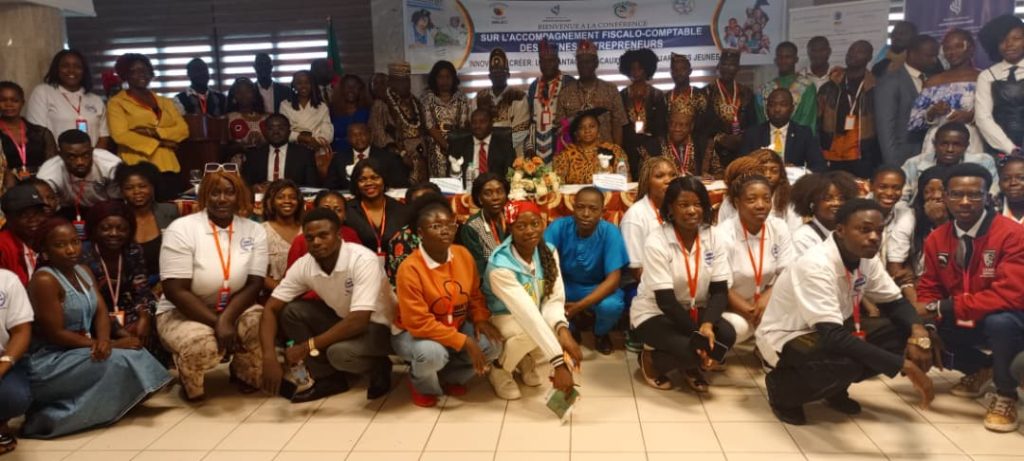
Family photo 📷
Interview with ONABEL ATANGANA Éric Laurent, Regional Head of FOGAJEUNE for the Centre 👇
Interview with Francine ELEMVA, Managing Director of CGA SIMPLY-OFFICE 👇
Interview with EYENGA Lysette, participant and beneficiary of PTS-JEUNE 👇
Work is progressing well and continues here at the Franco Hotel in Yaoundé.
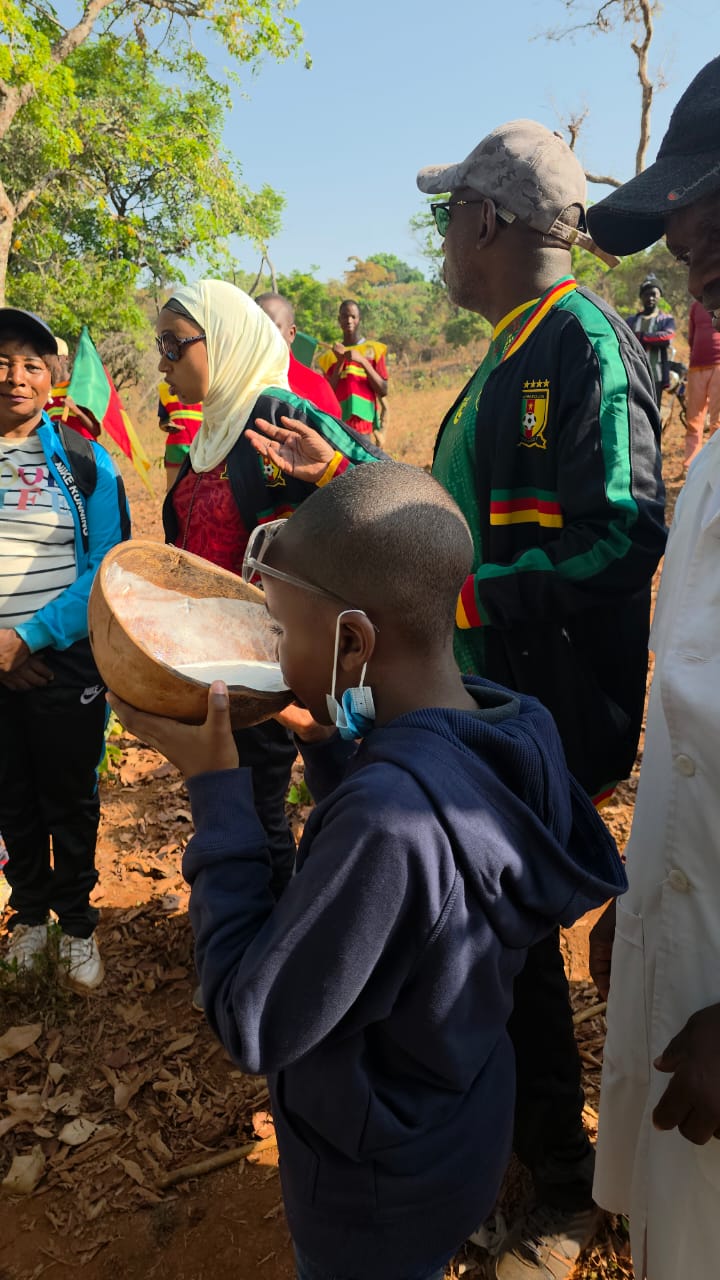
DISCOVERY EXCURSION TO LAKE NGOMDJOR ON 7 February 2026 AS PART OF THE 60TH YOUTH FESTIVAL EVENTS
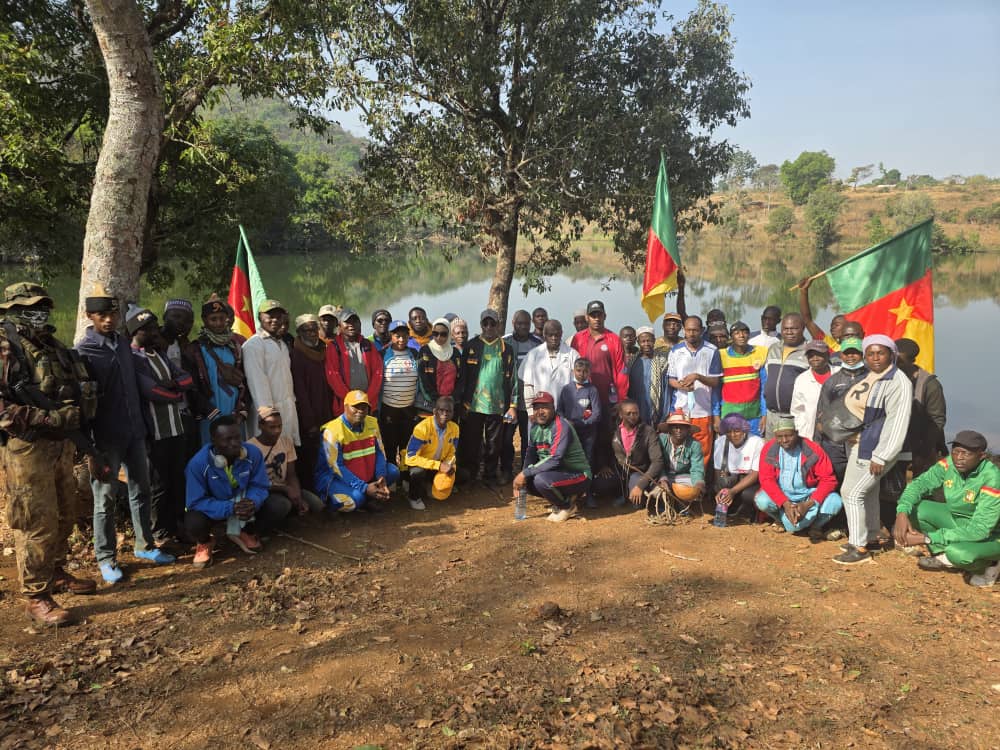
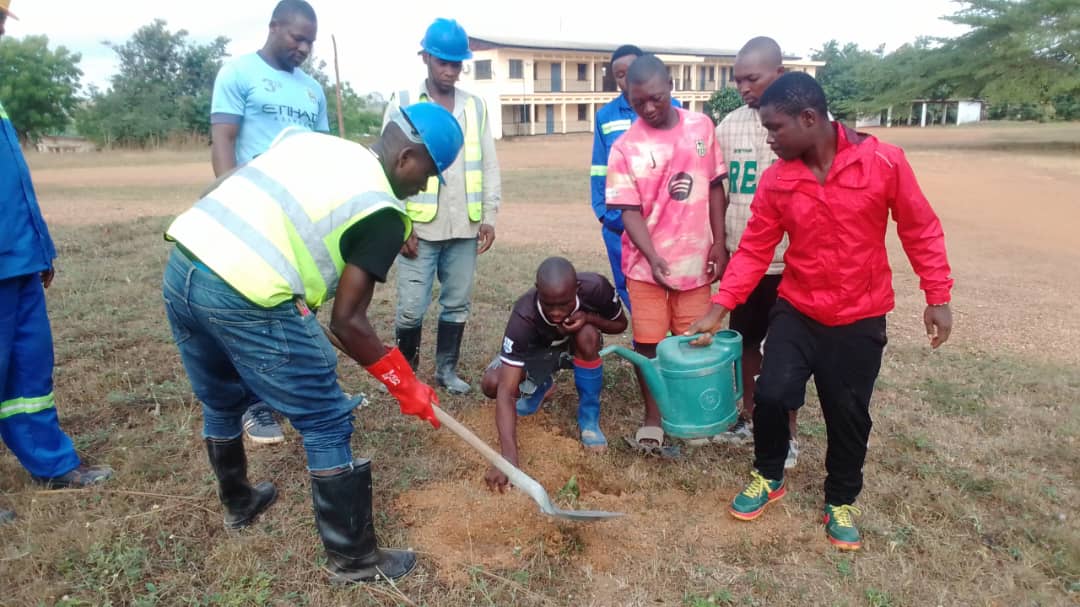
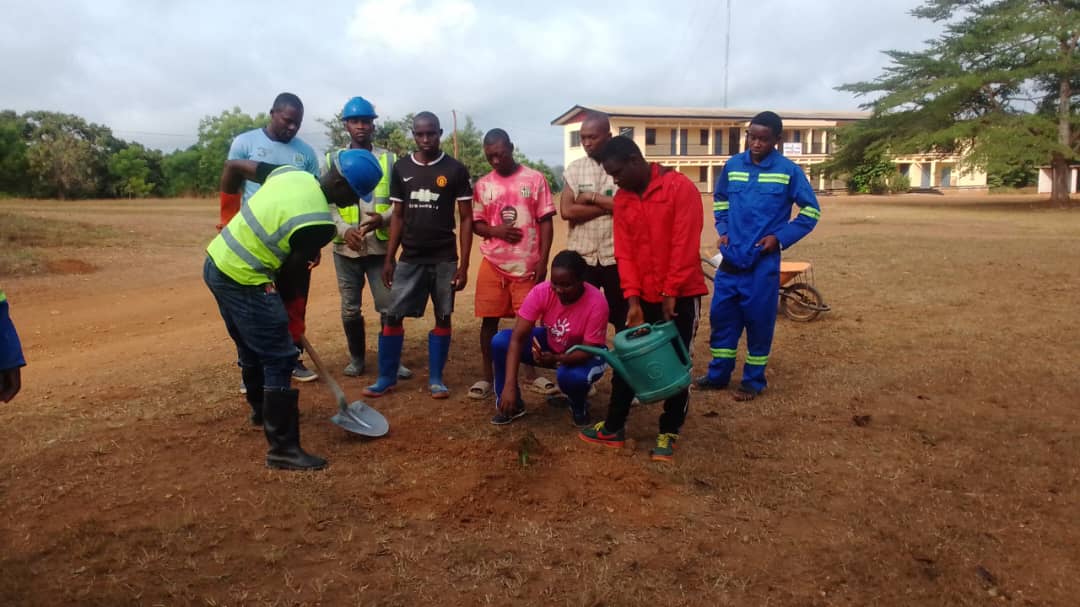
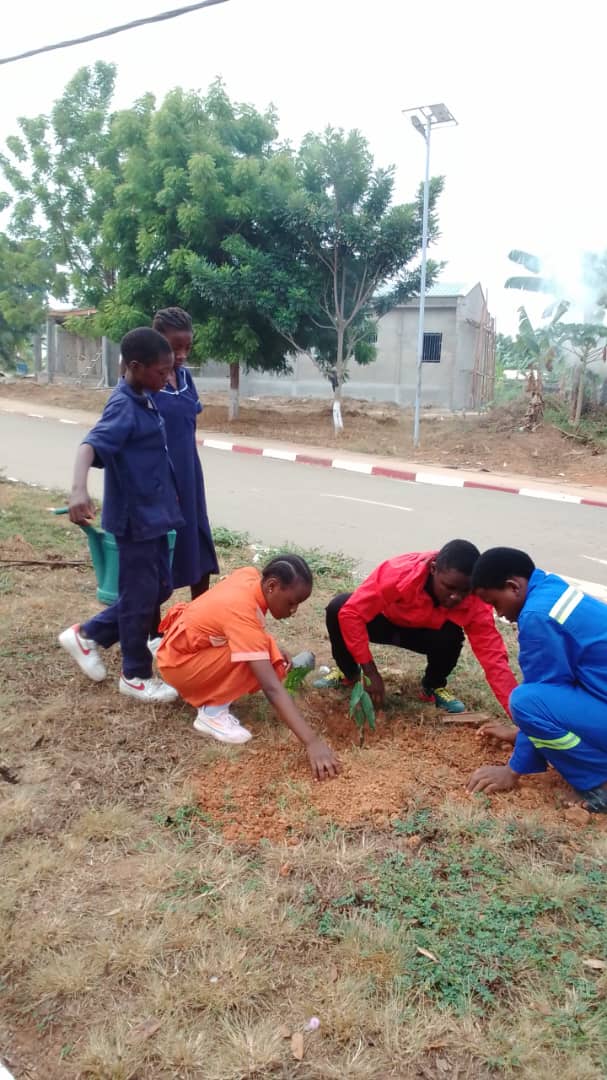
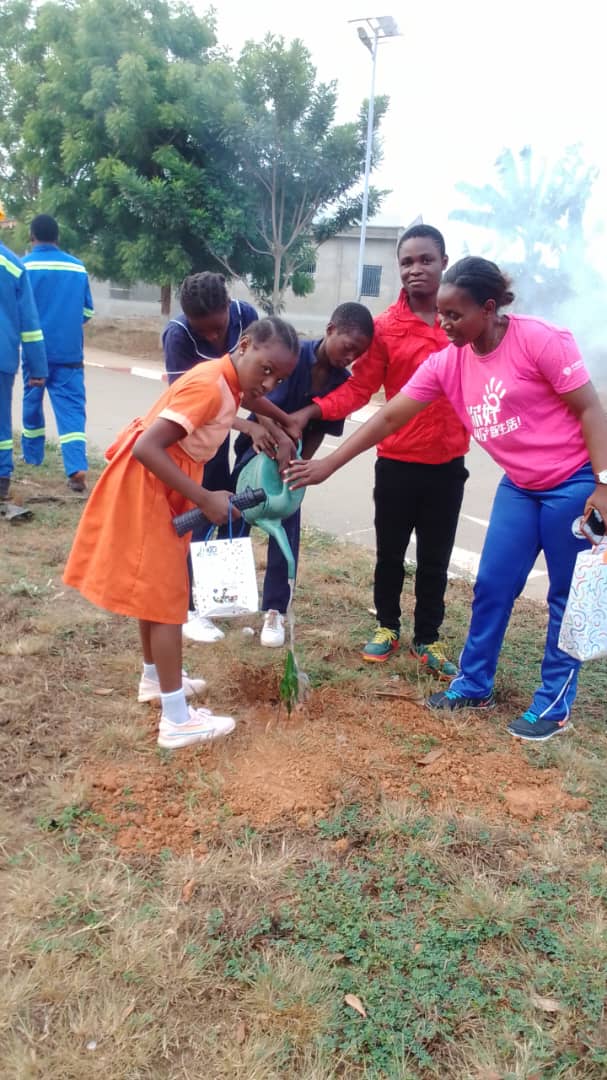
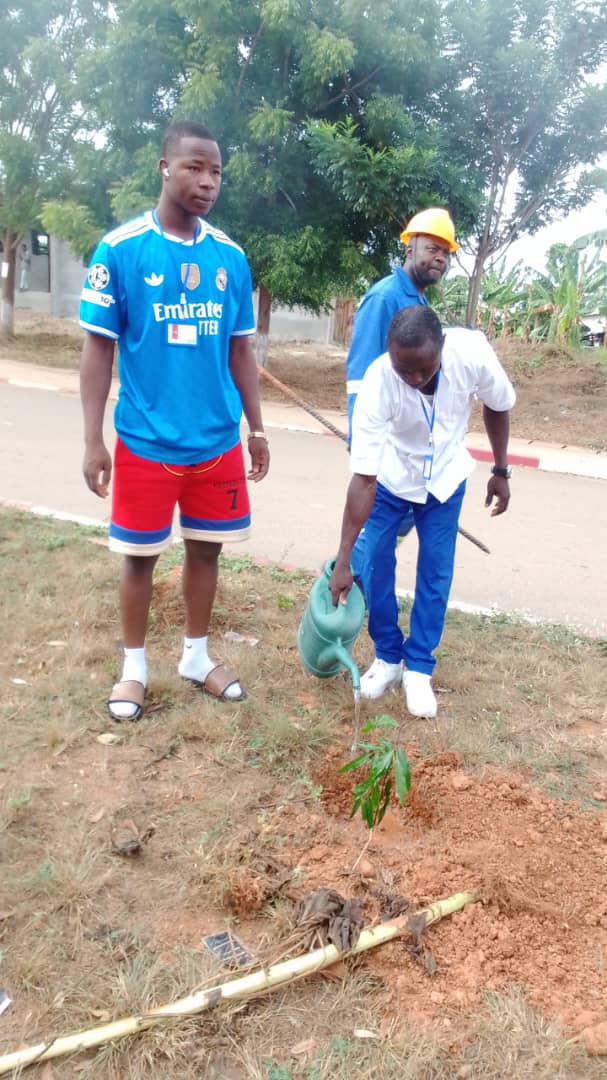
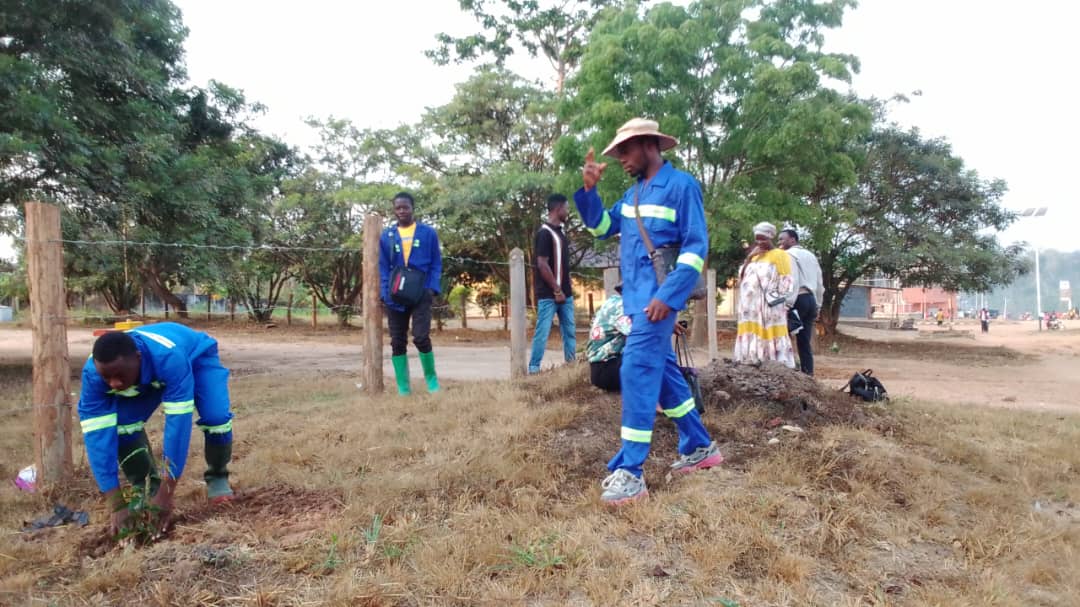
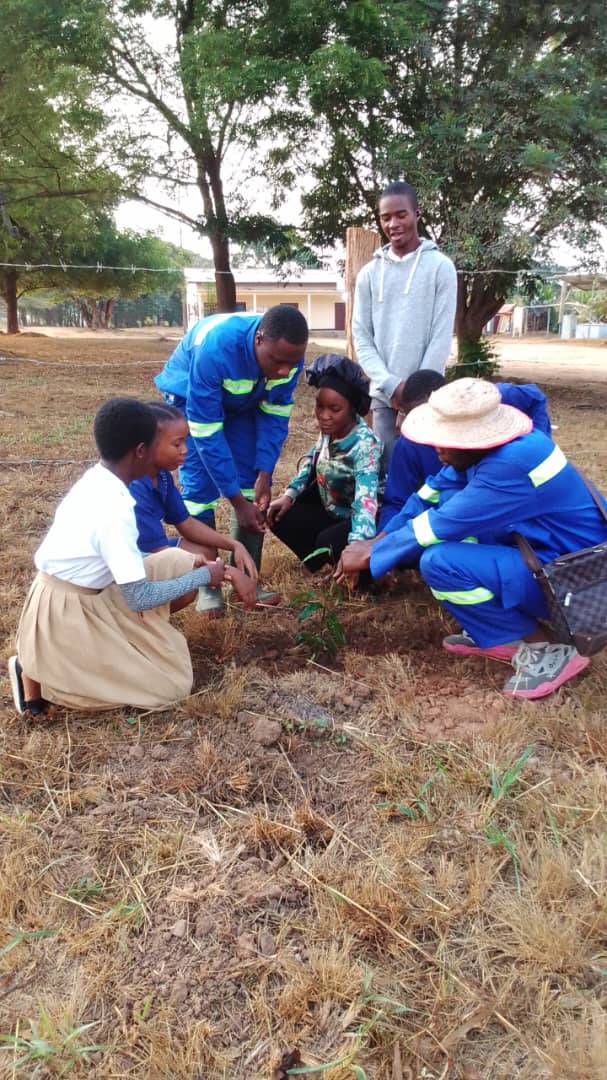
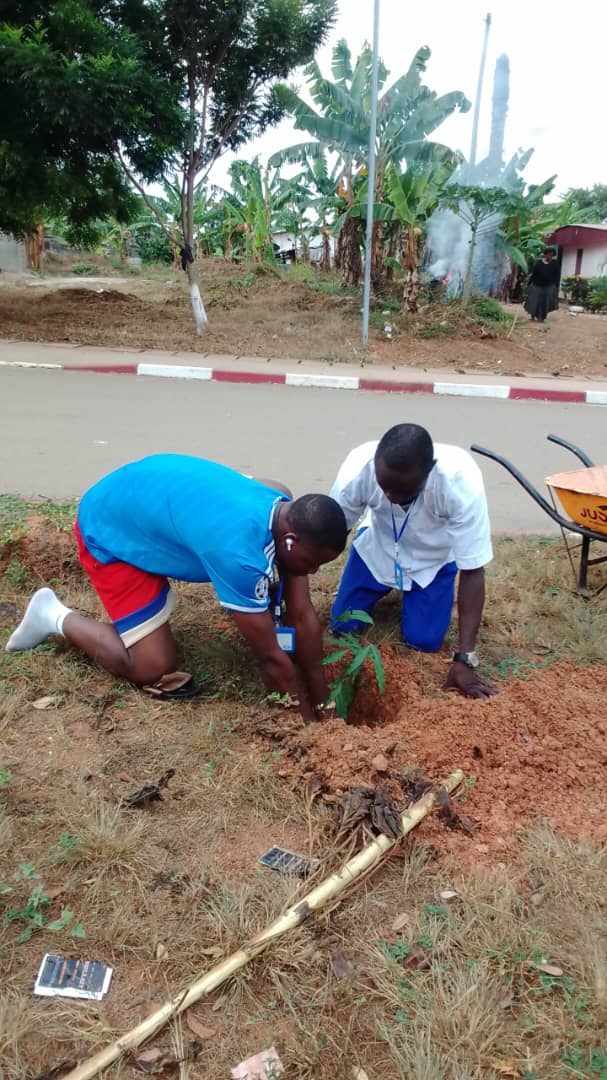
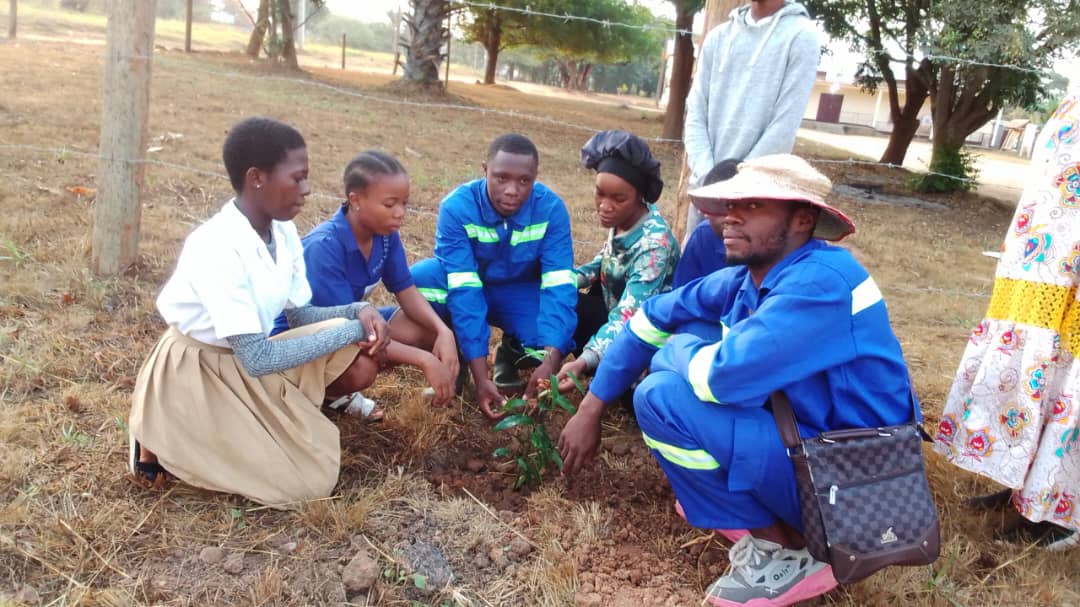
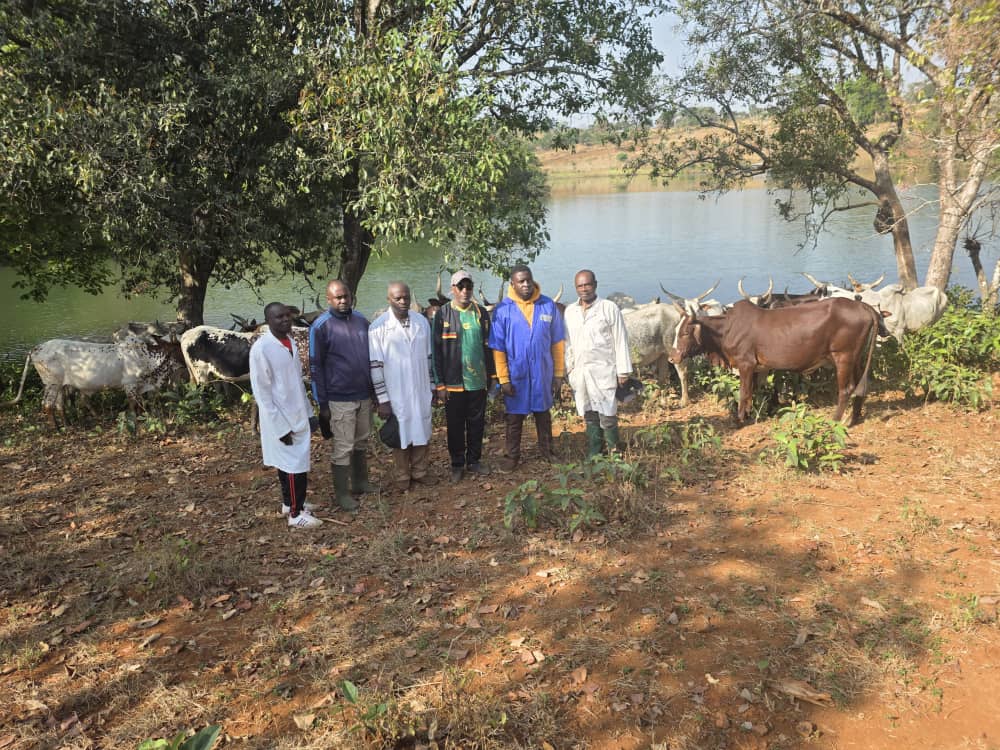
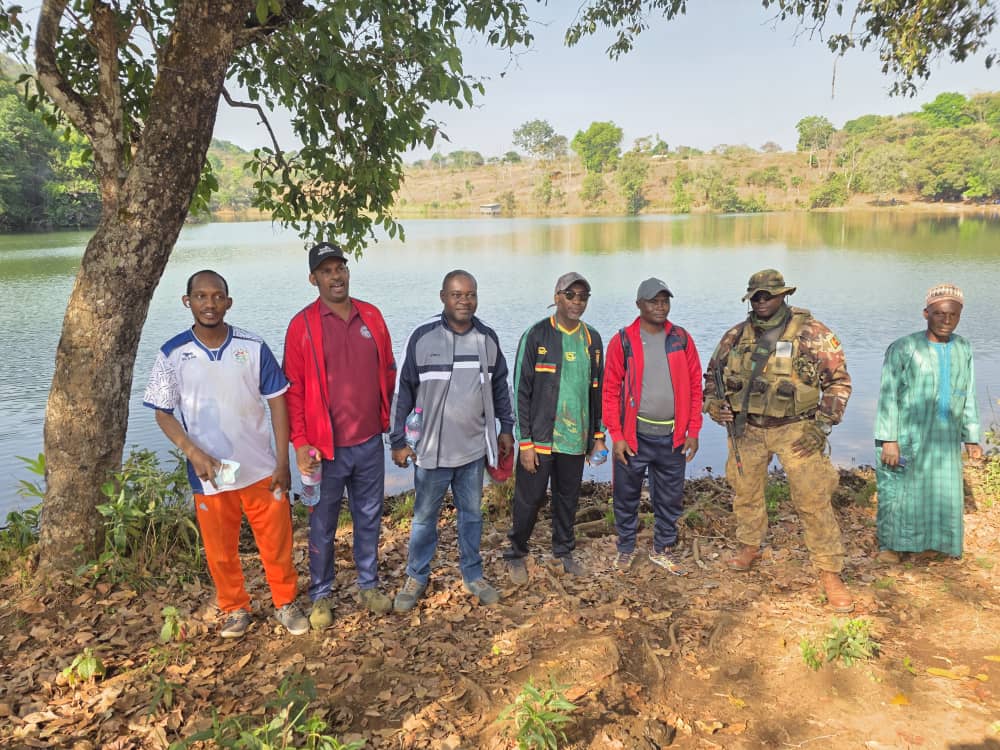
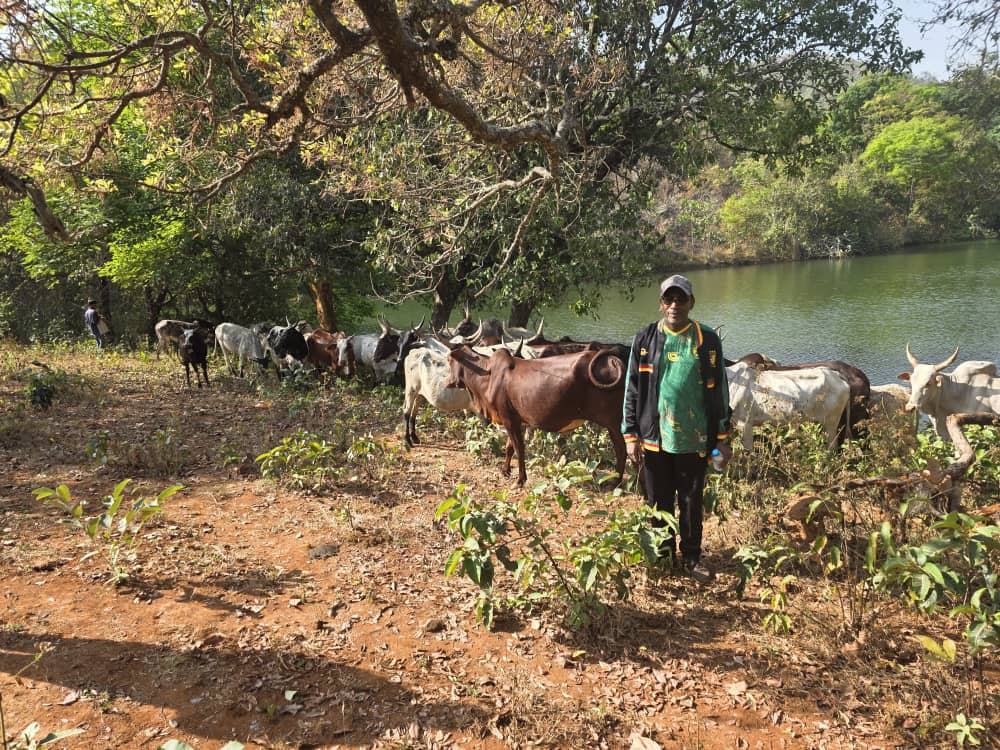
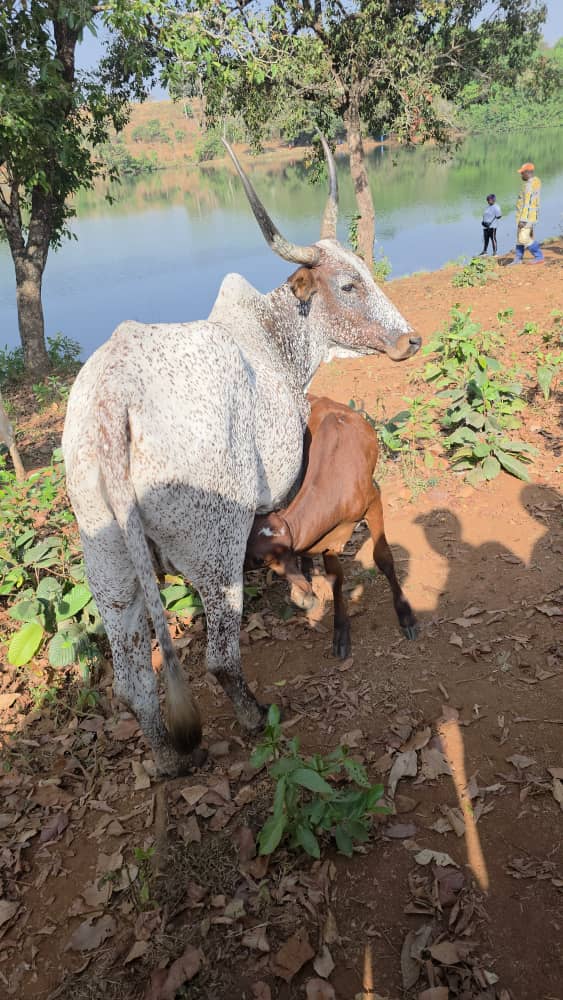
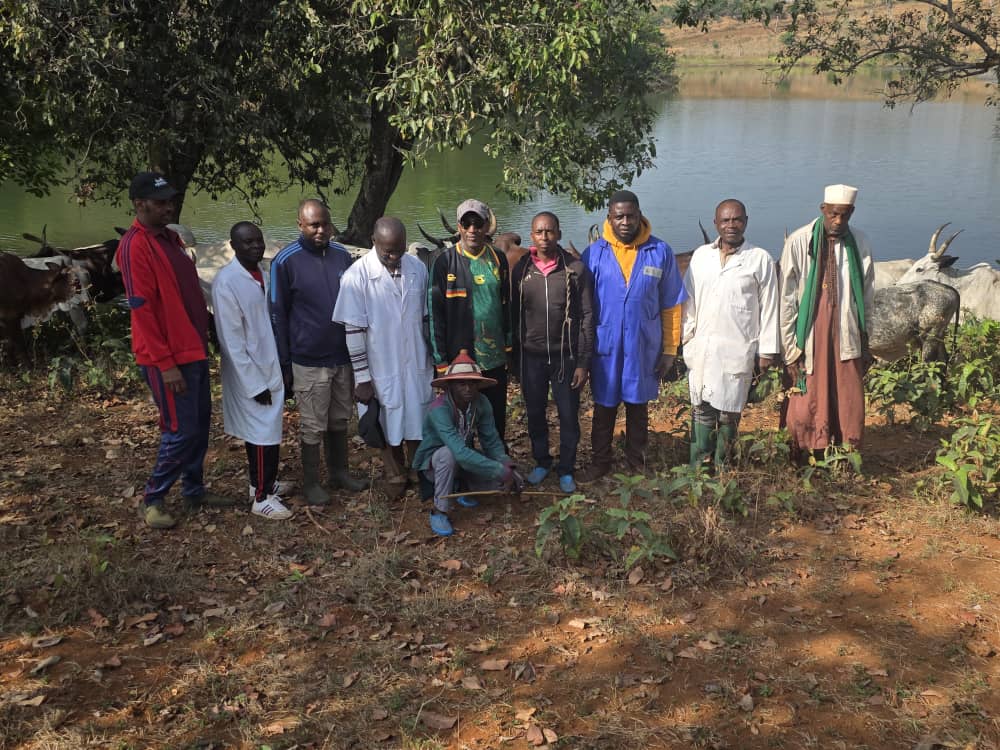
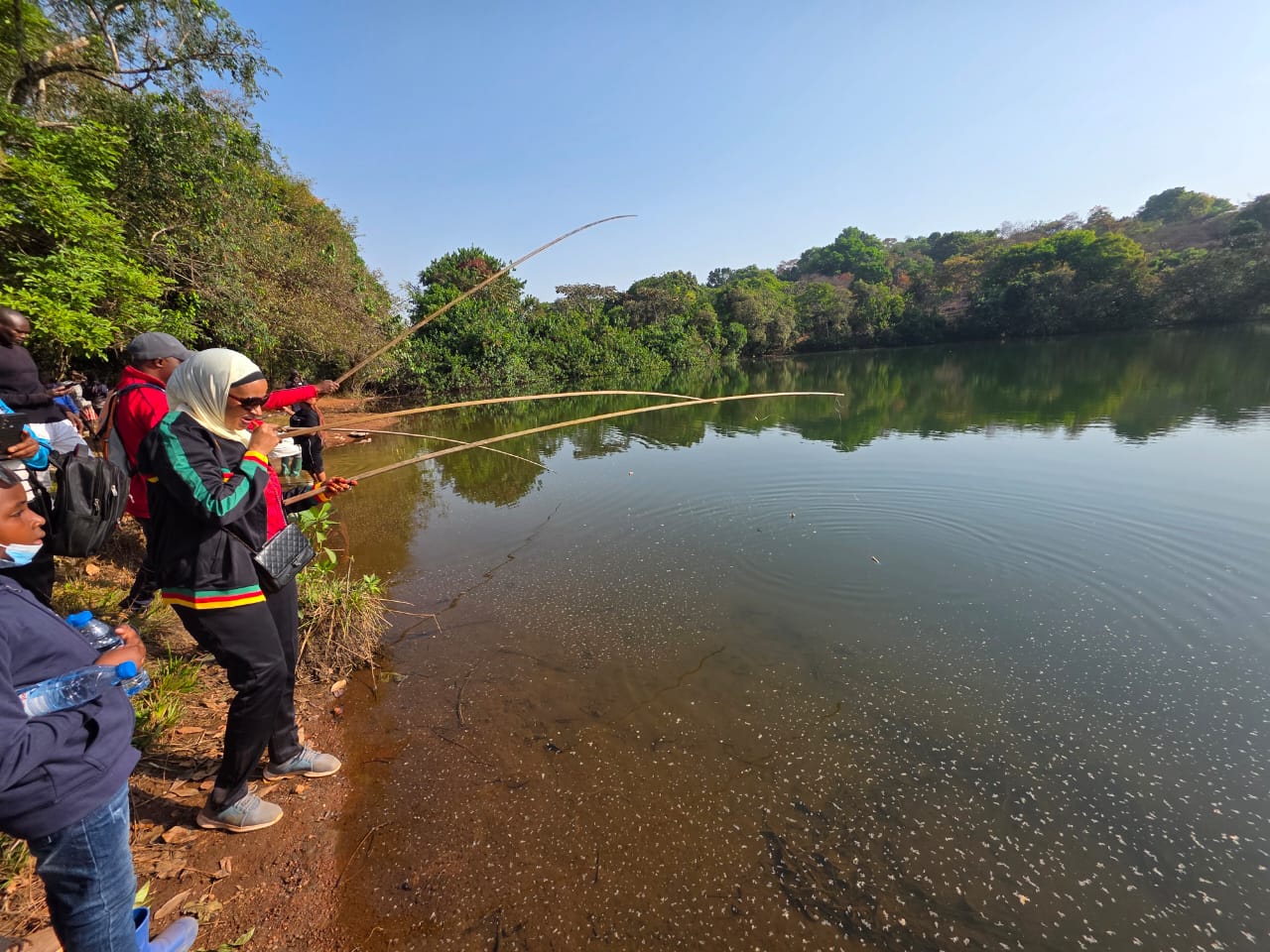
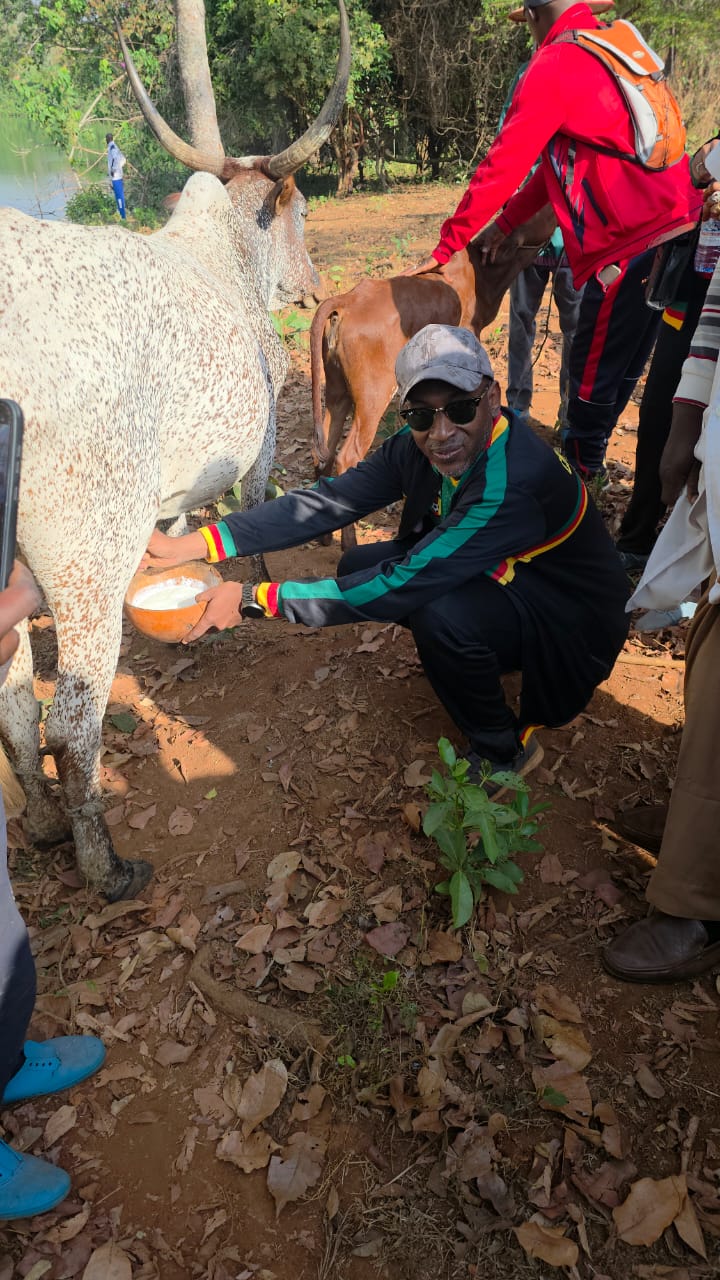

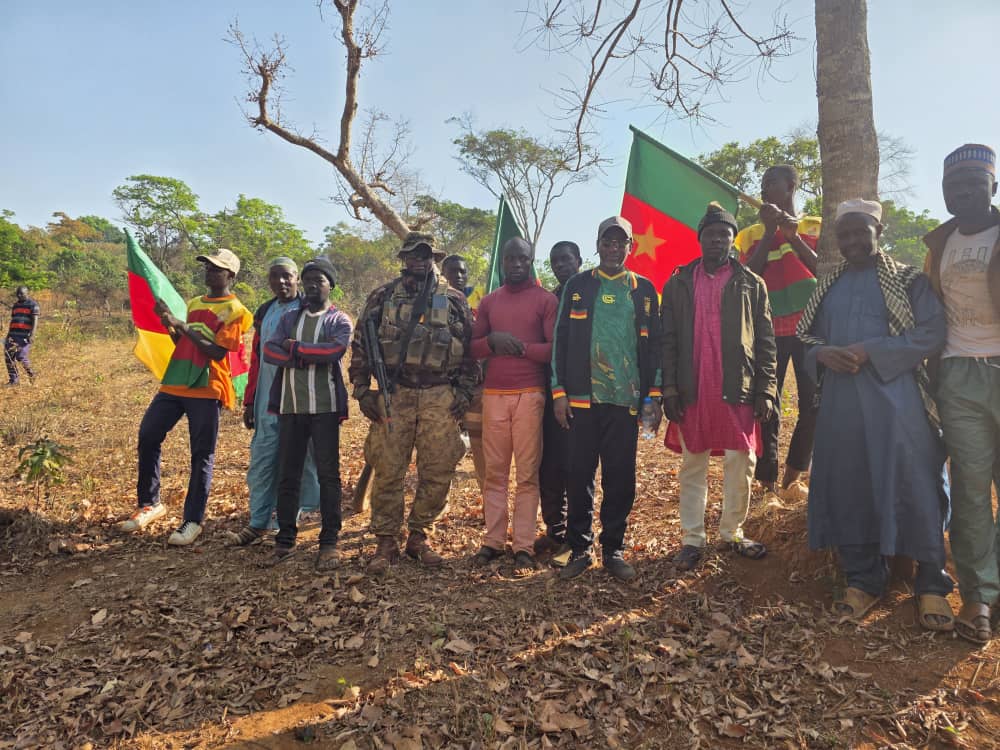
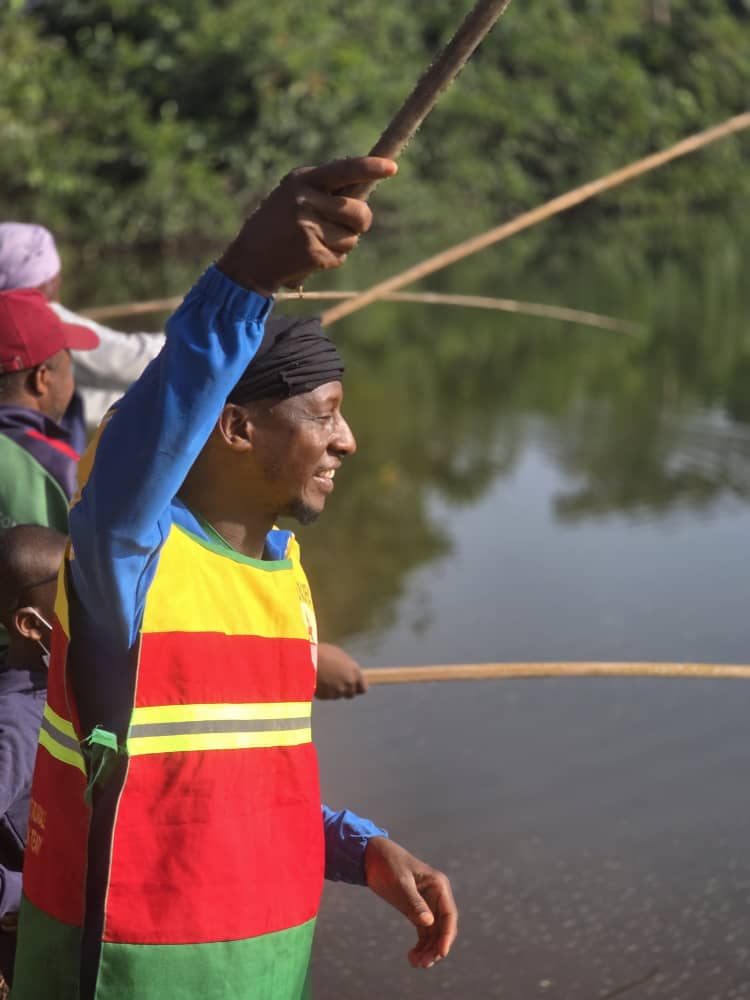
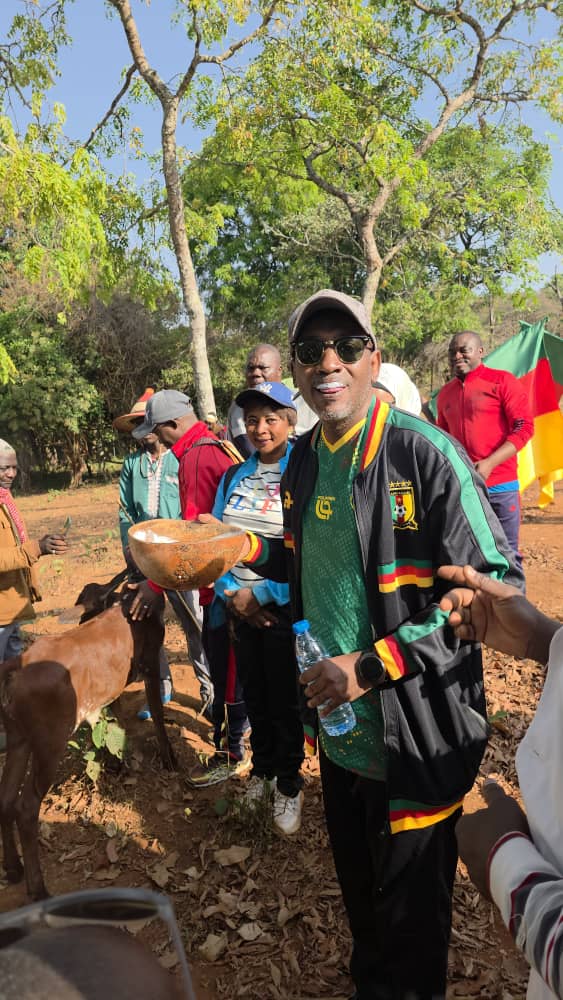
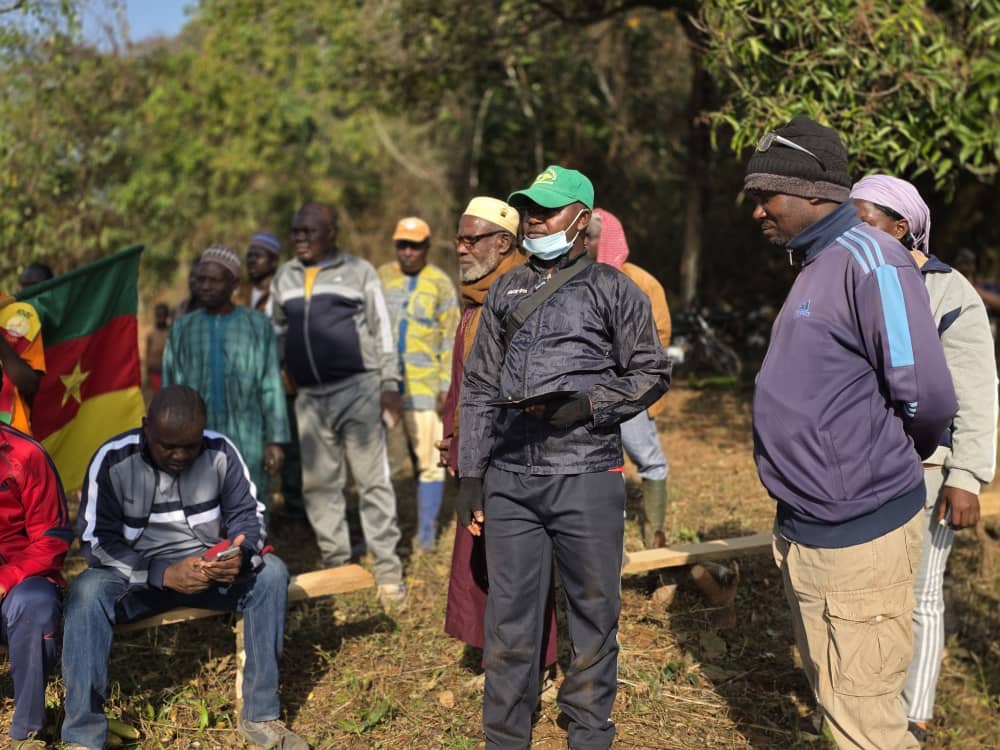
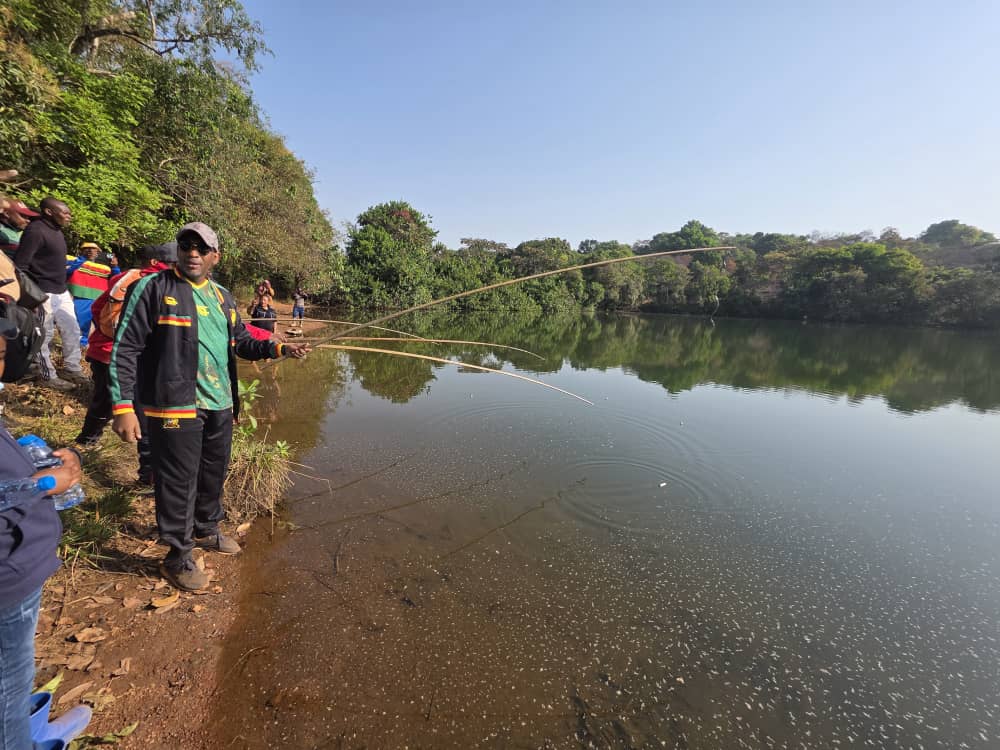
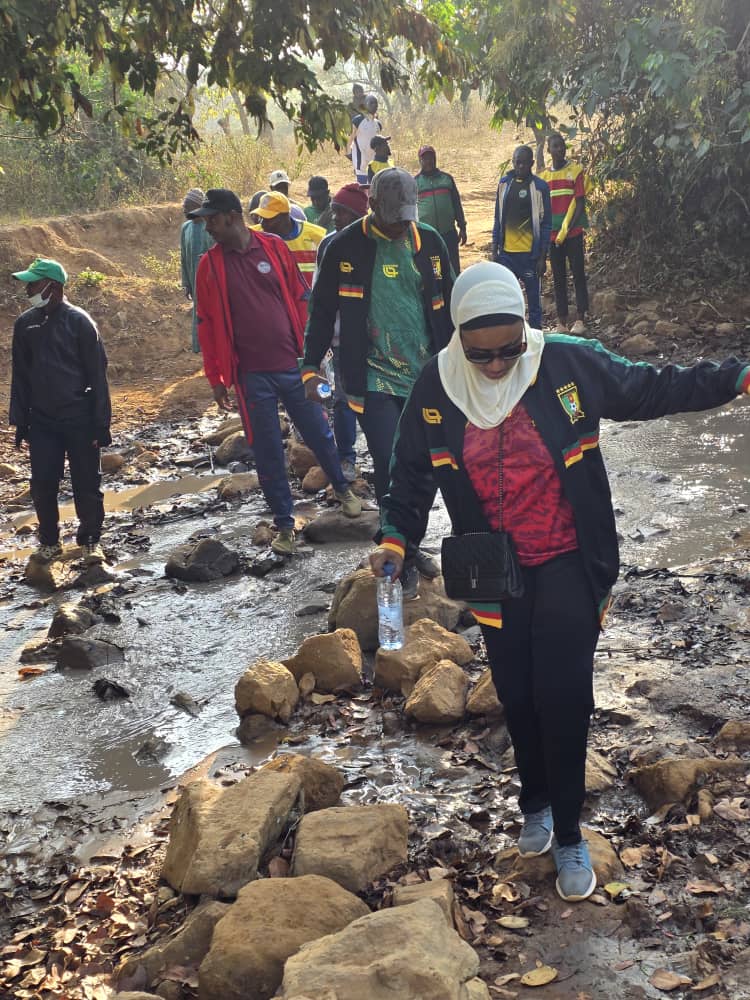
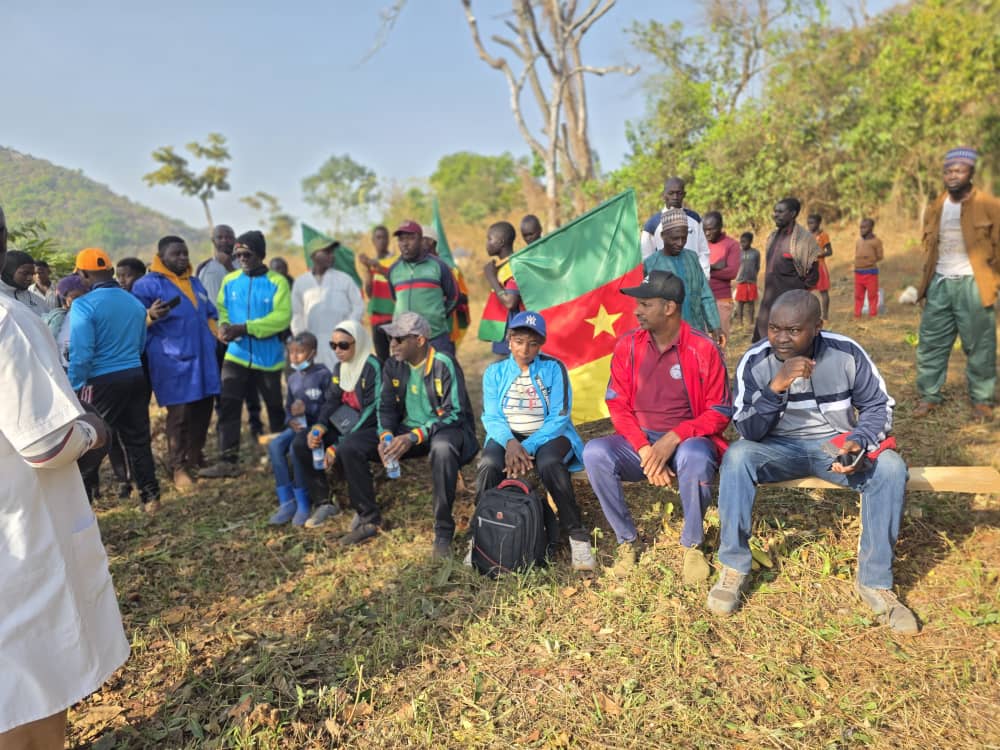
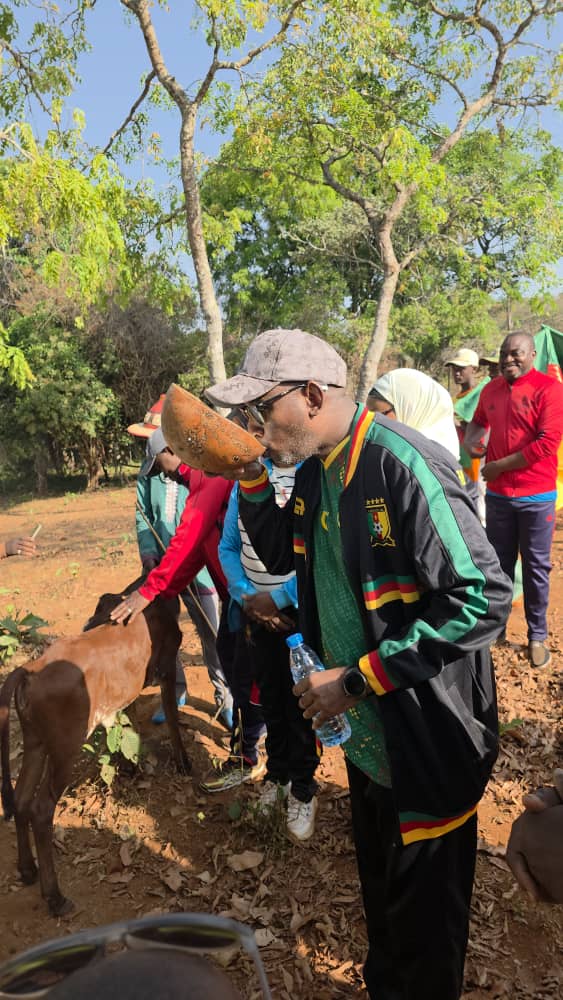

MONATELE.
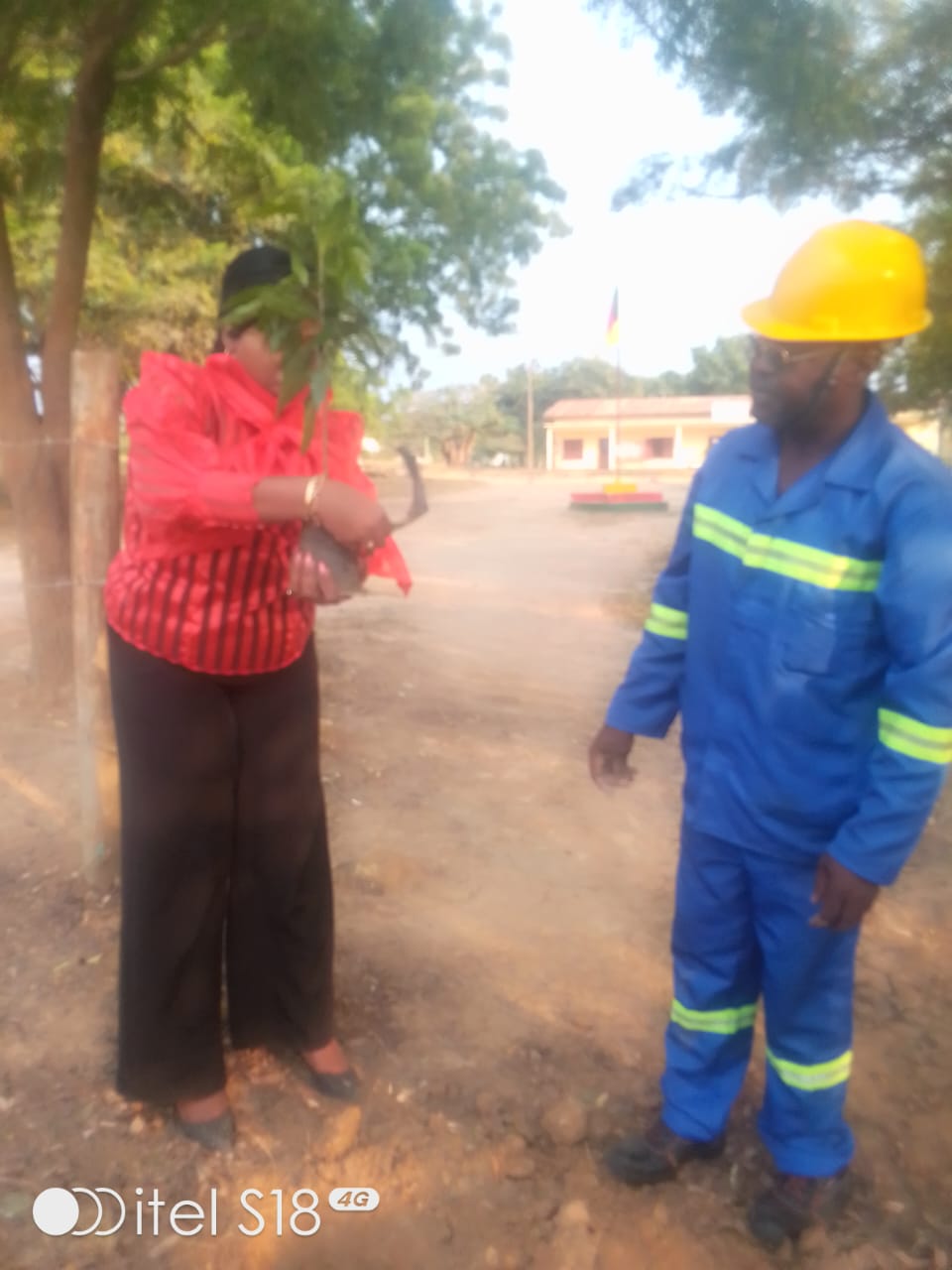
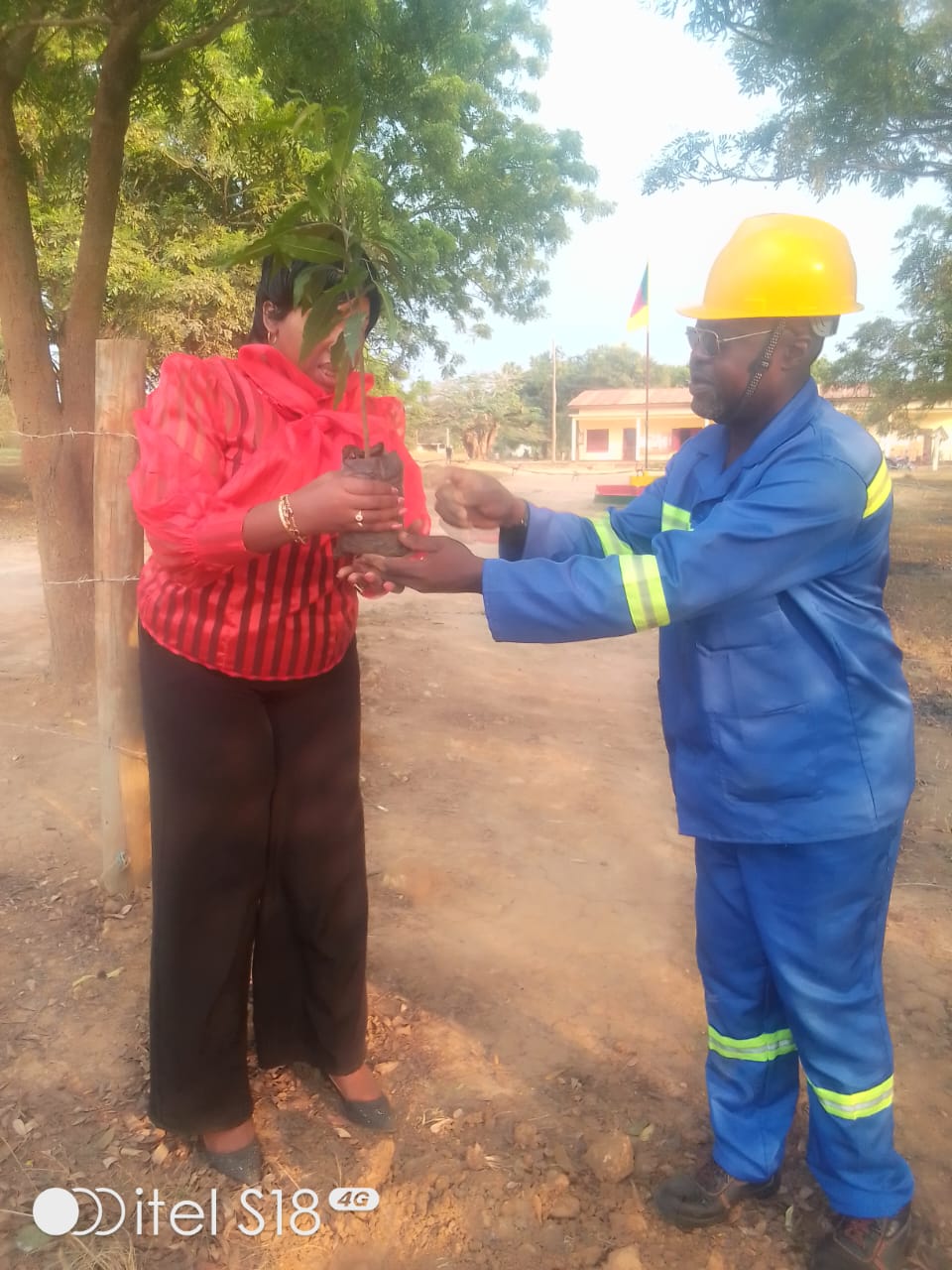
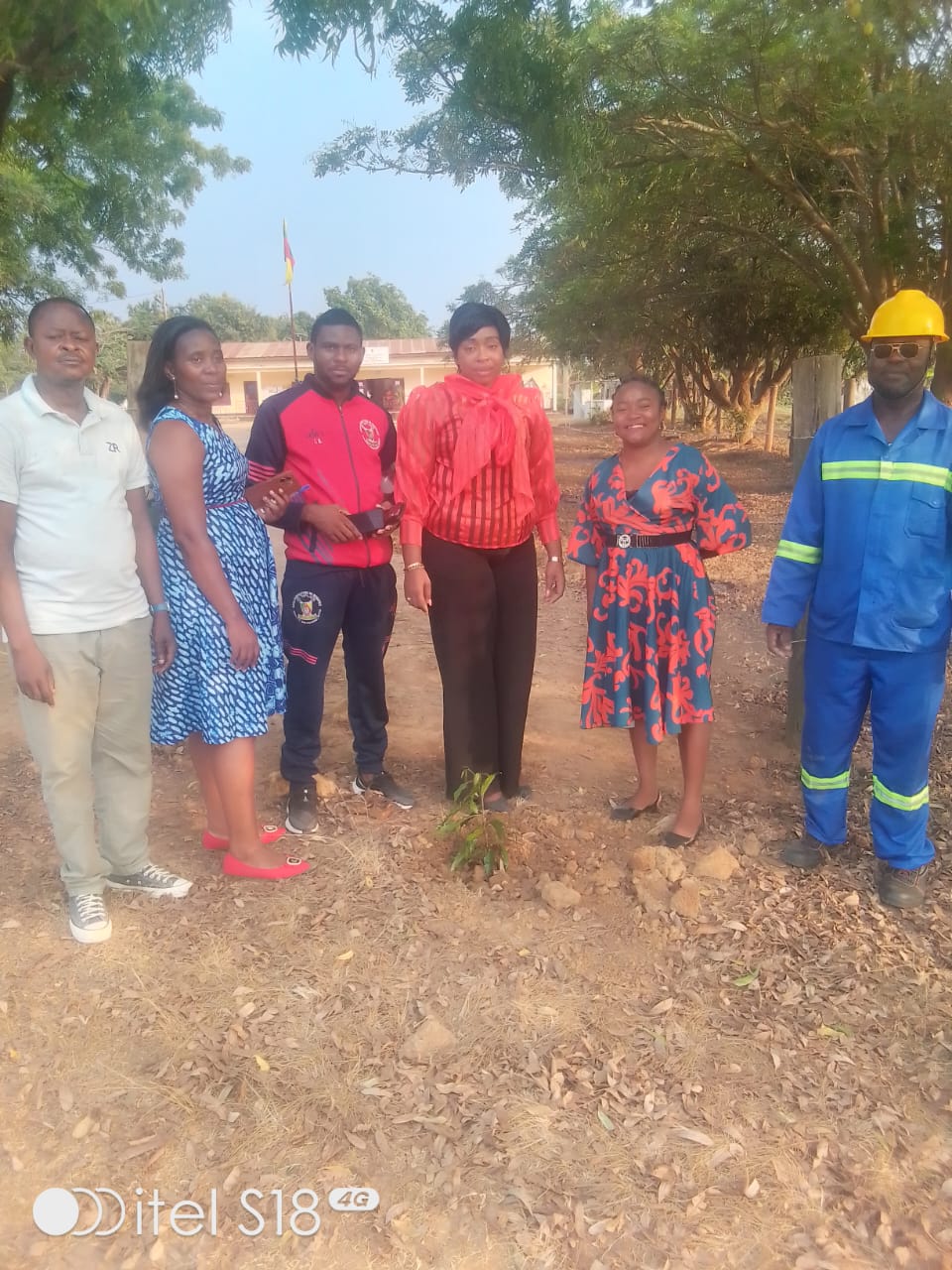
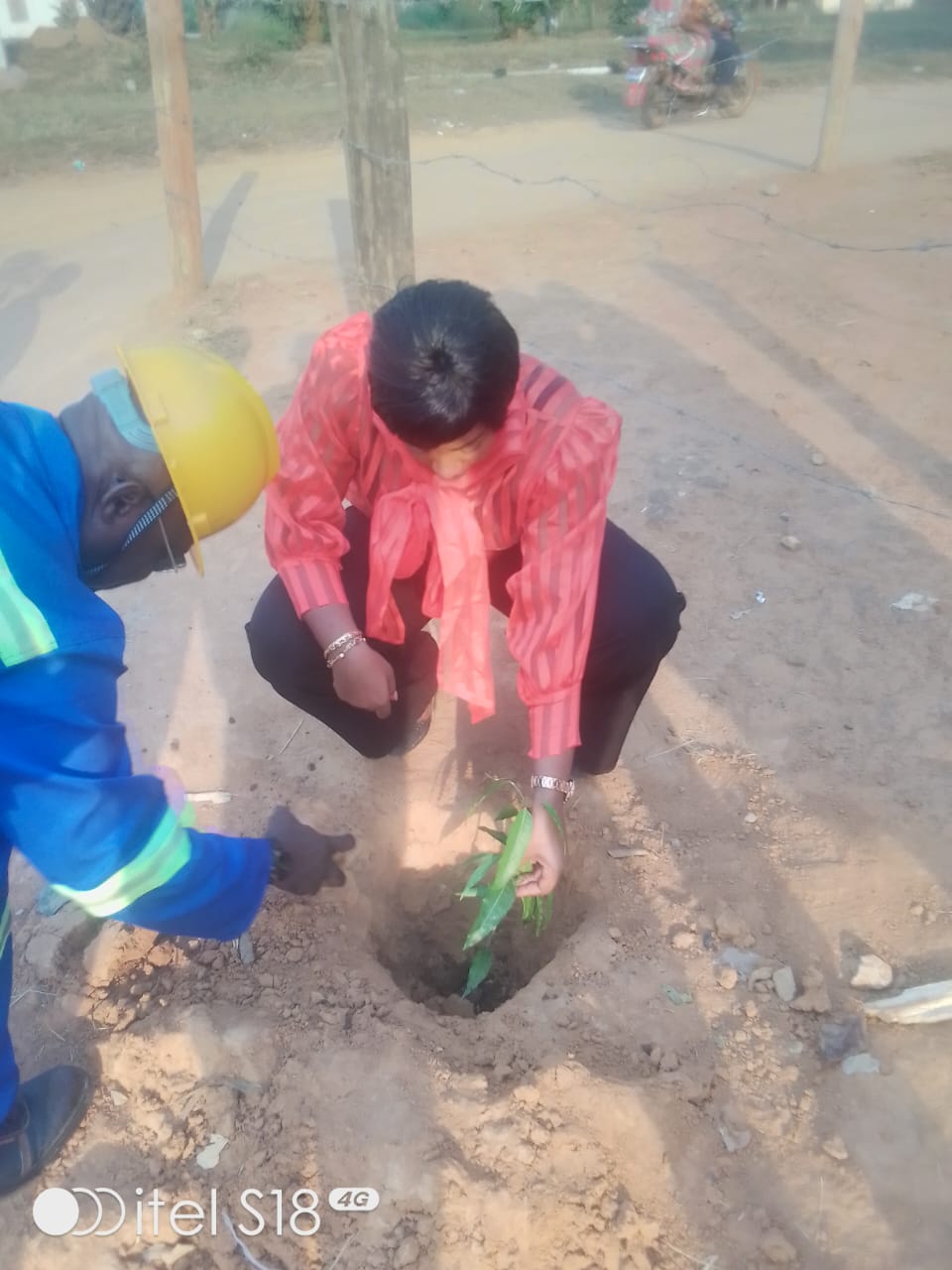
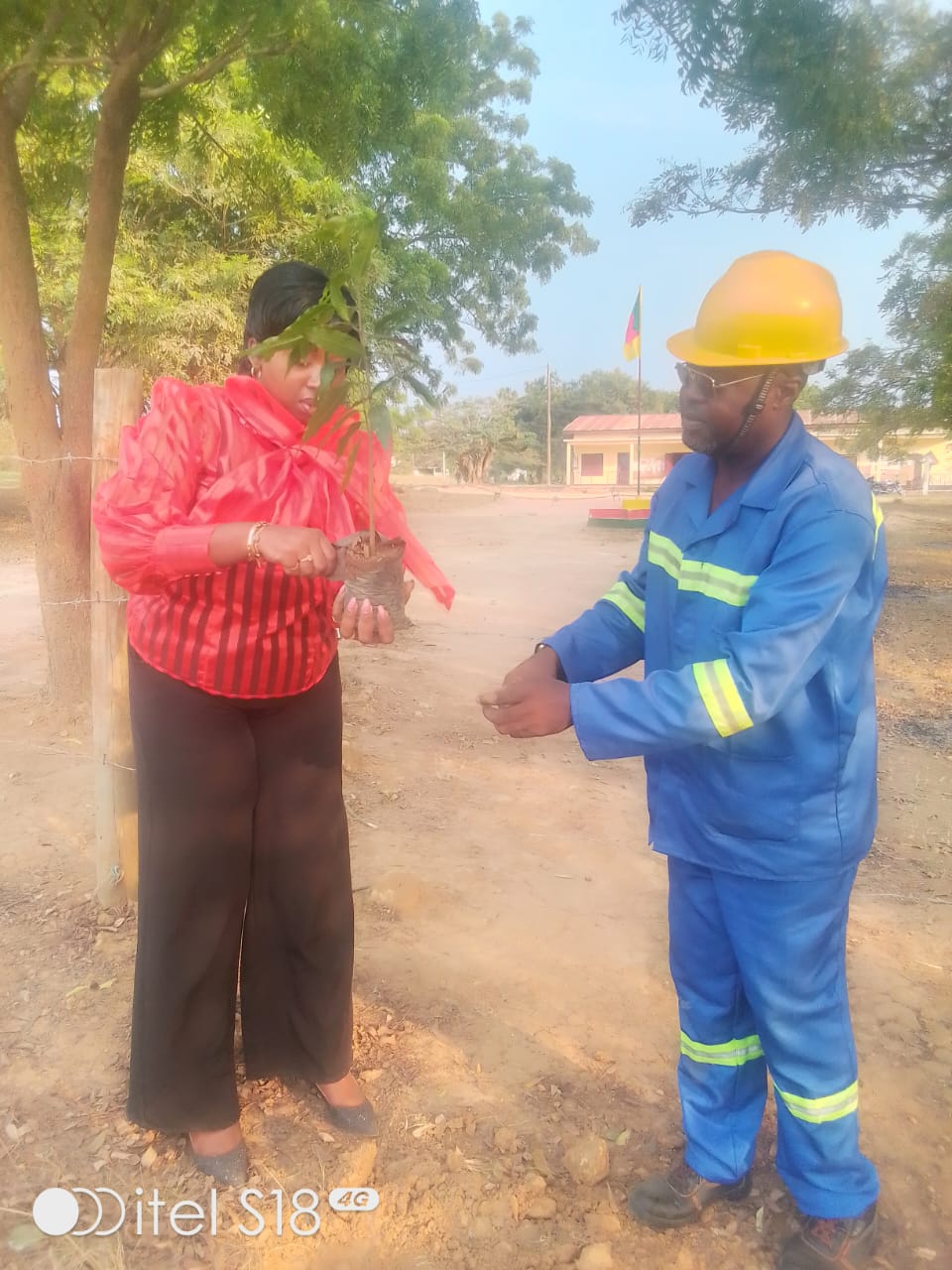
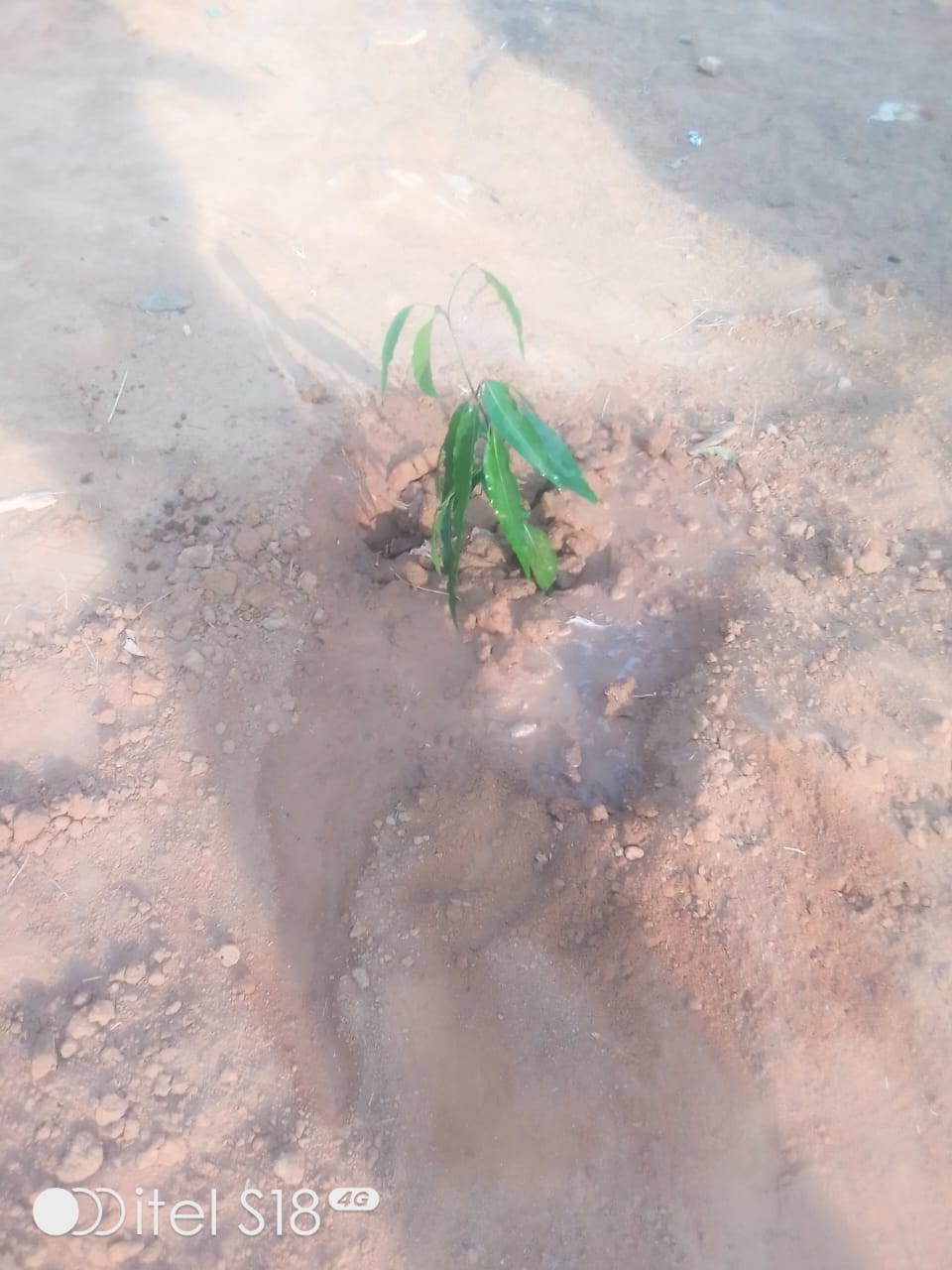
Tree planting to mark the 60th anniversary of Youth Day. The event took place this morning in the presence of Dr BOMBA NKOLO Odile, Deputy Prefect of the MONATELE district. Also taking part were students from the Faculty of Science at the Ebolowa University Annex Campus in MONATELE, secondary school pupils, primary school pupils and nursing assistant students from the town of the same name. Youth leaders also participated.👇🏼👇🏼👇🏼
📸 Media Literacy and Artificial Intelligence (AI) Workshop
Monday, 9 February 2026
Assembly Hall of Yaoundé 3 Town Hall
📸 Media Literacy and Artificial Intelligence Workshop
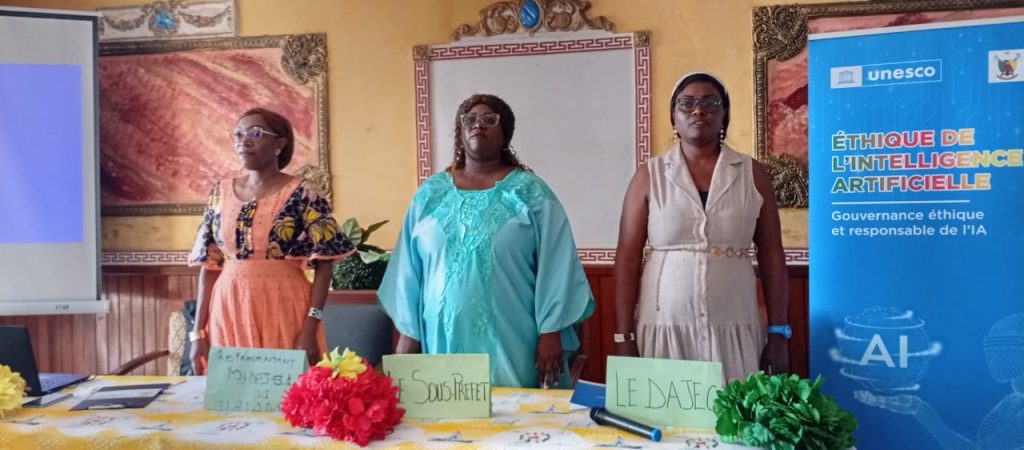
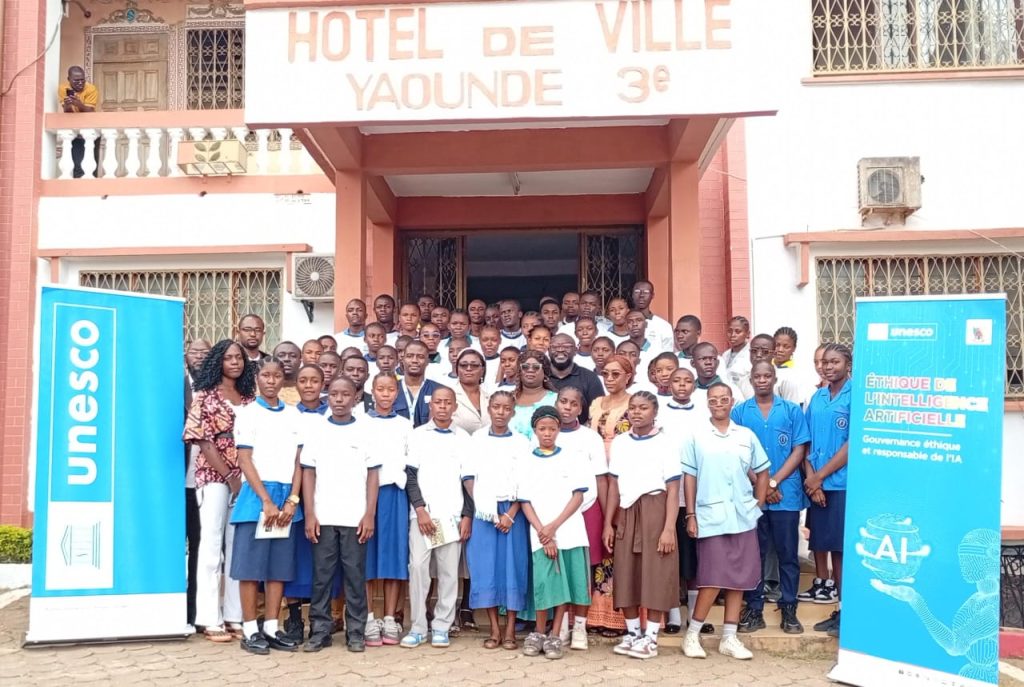
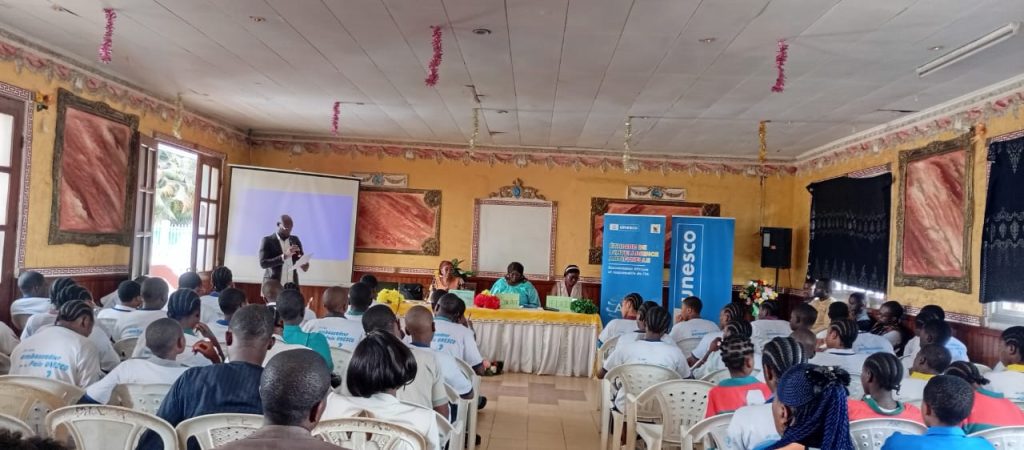
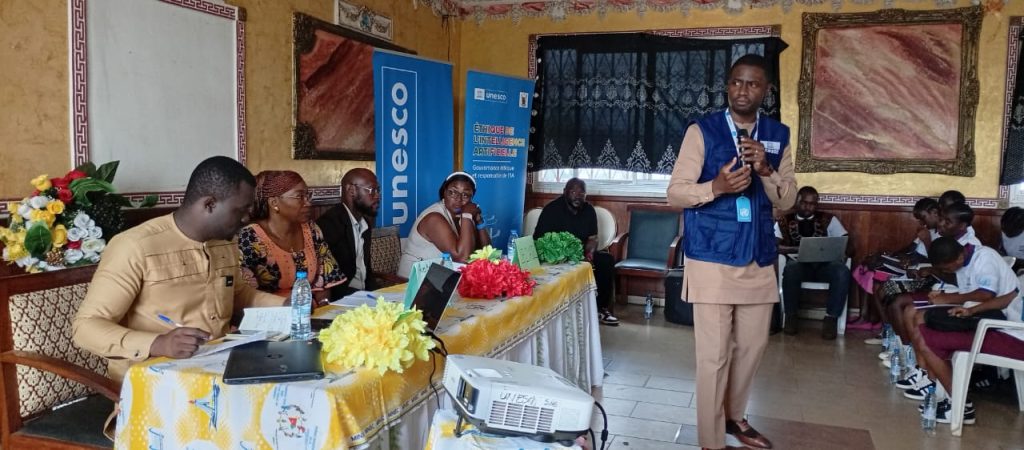
As part of the activities marking the celebration of the 60th edition of Youth Day 2026, the Yaoundé 3 District Delegation for Youth and Civic Education (DAJEC) is currently conducting a workshop on Media Education and Artificial Intelligence (EMA-AI).
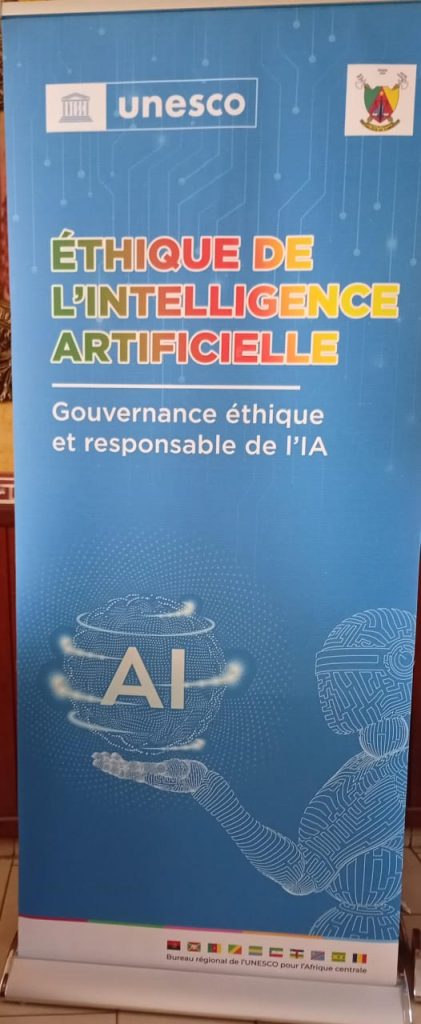
Under the leadership of the District Delegate for Youth and Civic Education (DAJEC) of Yaoundé 3, LOLO ELANGUE, wife of MANGA Pauline Carole, this activity is being carried out in collaboration with the UNESCO office in Cameroon, in the presence of the representative of MINJEC and the Sub-Prefect of the district of Yaoundé 3.
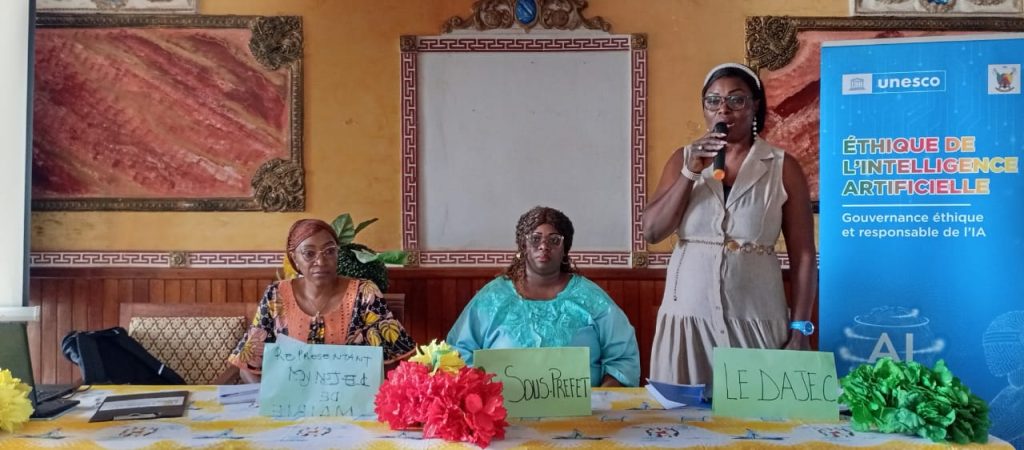
🎙️ Towards DAJEC
In her welcome speech, Ms LOLO ELANGUE, née MANGA Pauline Carole, District Delegate for Youth and Civic Education (DAJEC) for Yaoundé 3, highlighted the interest that the Head of State, His Excellency Paul BIYA, has shown in young people and women. In this regard, she emphasised the responsibility that young people should assume, particularly in relation to new information and communication technologies.
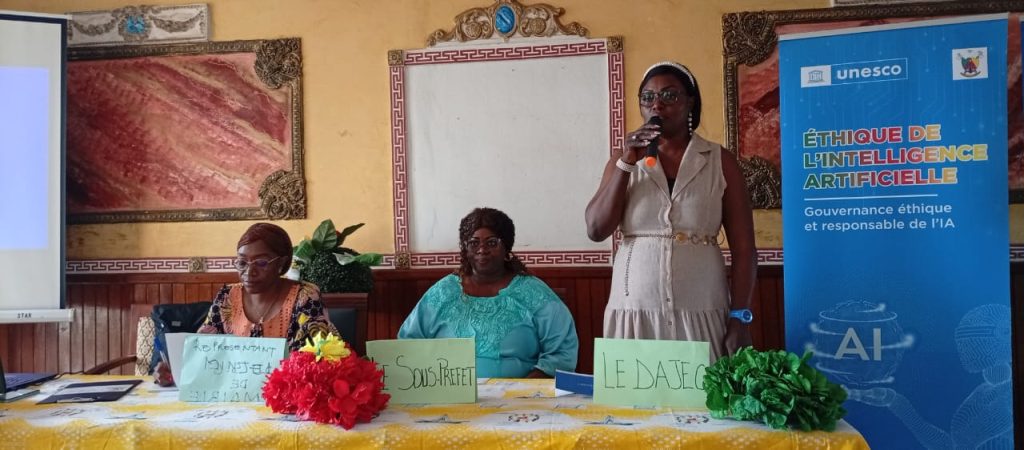
📸 Video clip
📸 Context
Cameroon's Youth Day, celebrated every 11 February since 1965, is a special occasion for young people to express themselves, showcase their talents and rally around key national development issues. It reflects the government's ongoing commitment to placing young people at the heart of public policy, as demonstrated in particular by the creation of the Ministry of Youth and Civic Education (MINJEC), which is responsible for supervising, training, guiding and supporting young people with a view to their socio-economic and civic integration.
In a context marked by the accelerated transformation of societies under the influence of digital technology, media and artificial intelligence now play a central role in learning, access to information, communication and innovation processes. However, this change comes with major challenges, including the proliferation of fake news, media manipulation, and questions about the impact of artificial intelligence on employment and the professional future of young people.
Aware of these challenges, the Cameroonian Government, through the strategic guidelines of MINJEC and national priorities in the digital sphere, encourages the development of digital skills, critical thinking and innovation among young people. This momentum is reinforced by recent national initiatives promoting artificial intelligence as a lever for empowerment, creativity and socio-economic integration, particularly in a context of dwindling traditional jobs.
It is within this framework that the Organising Committee of the 60th edition of the 2026 Youth Festival in the Yaoundé 3rd district, under the coordination of the Sub-Prefecture, has initiated the organisation of a workshop on media literacy and artificial intelligence. This activity aims to equip young people in the borough with the tools they need to better understand, analyse and use media information, while discovering the opportunities offered by artificial intelligence for learning, innovation and entrepreneurship.
The workshop aims to be a framework for awareness-raising, sensitisation and capacity building, helping to make the youth of Yaoundé 3ᵉ informed, responsible and creative actors in the digital age.
📸 Participants
The Media and Artificial Intelligence Education Workshop brings together a group of participants with complementary profiles, reflecting its inclusive, institutional and educational nature.
The main beneficiaries of the activity are 200 young students, both girls and boys, from public and private secondary schools in the Yaoundé 3rd district. Selected for their dynamism and interest in issues related to digital technology, media and innovation, these young people are at the heart of the workshop. They actively participate in discussions, interactive sessions and practical workshops, with a focus on participatory learning and co-construction of knowledge.
The activity also involves institutional actors and technical partners, including representatives from the Ministry of Youth Affairs and Civic Education (MINJEC), the Yaoundé 3ᵉ Sub-Prefecture, the Yaoundé 3ᵉ City Council, and district delegations from sectoral ministries. Their presence reinforces the official scope and institutional anchoring of the workshop.
In addition, experts and organisations specialising in media literacy, digital technology and artificial intelligence, such as UNESCO, Eduk Medias and AI Children’s Playground, are involved as trainers and facilitators. They provide technical and educational expertise tailored to young audiences, promoting a better understanding of contemporary issues.
Finally, the educational community of Yaoundé 3ᵉ, composed of teachers, supervisors and education stakeholders, supports pupils throughout the activity, ensuring a disciplined, educational and sustainable framework for capitalising on what has been learned.
Thus, through the diversity and complementarity of its participants, the workshop positions itself as a space for exchange, transmission and transformation in the service of young people.
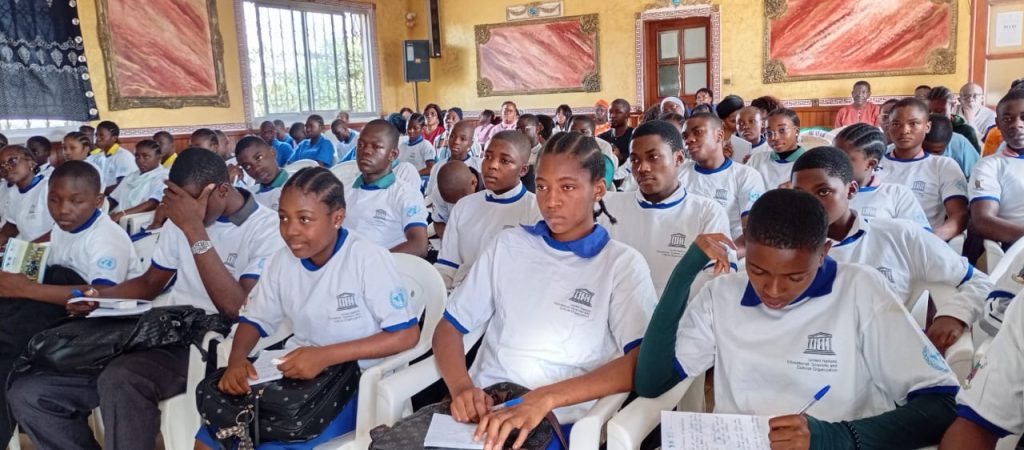
📸 Performance of the National Anthem 🇨🇲
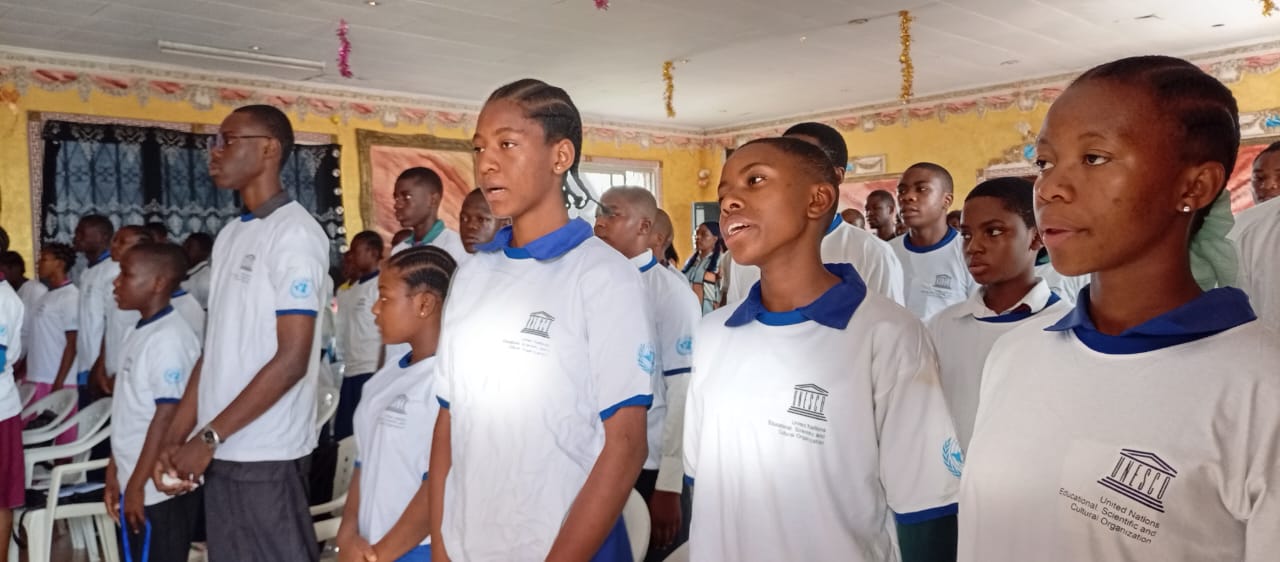
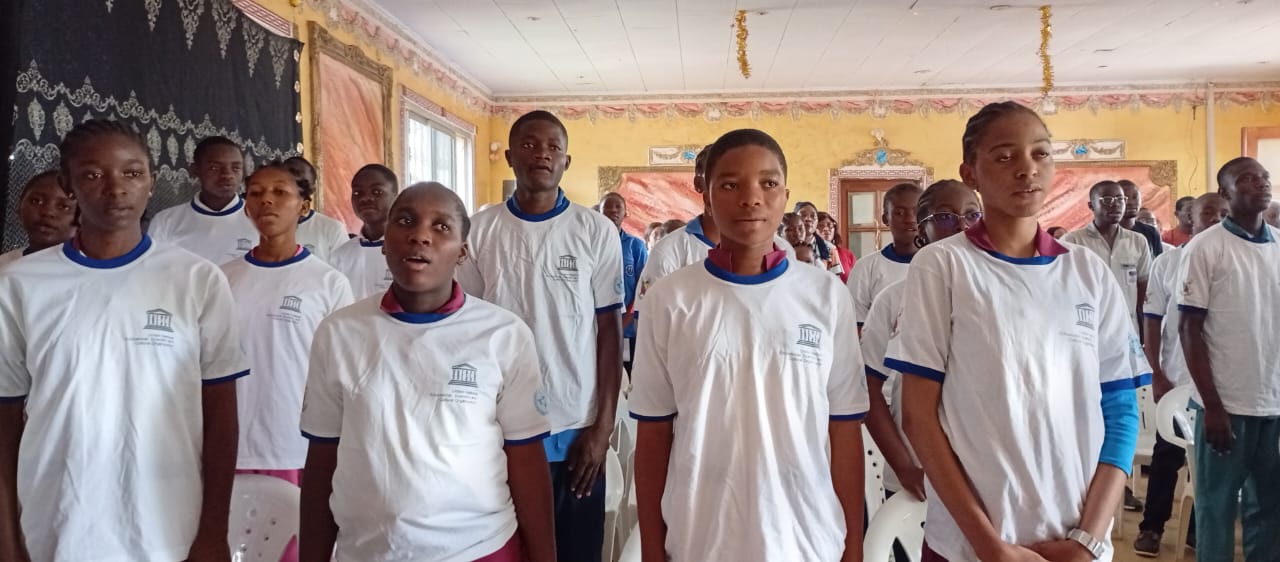
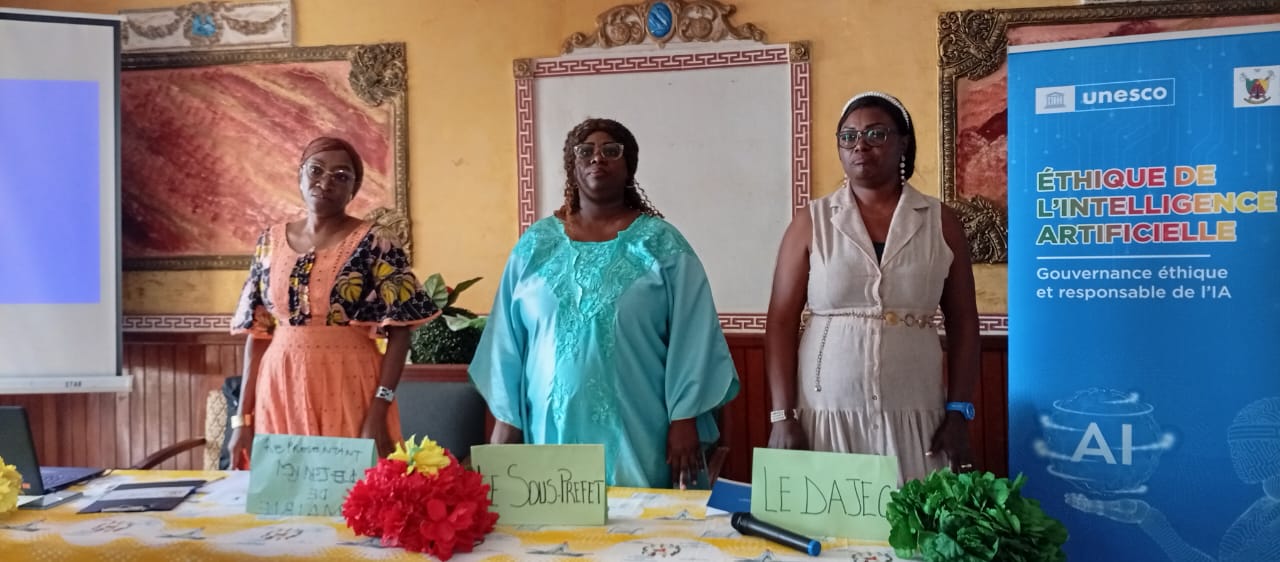
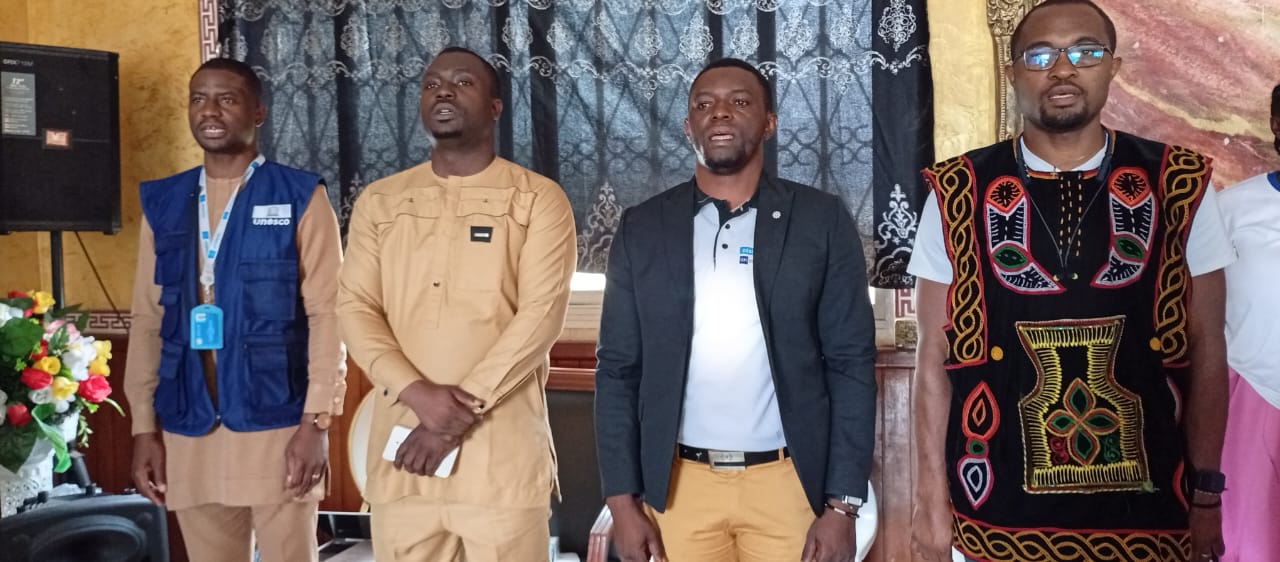
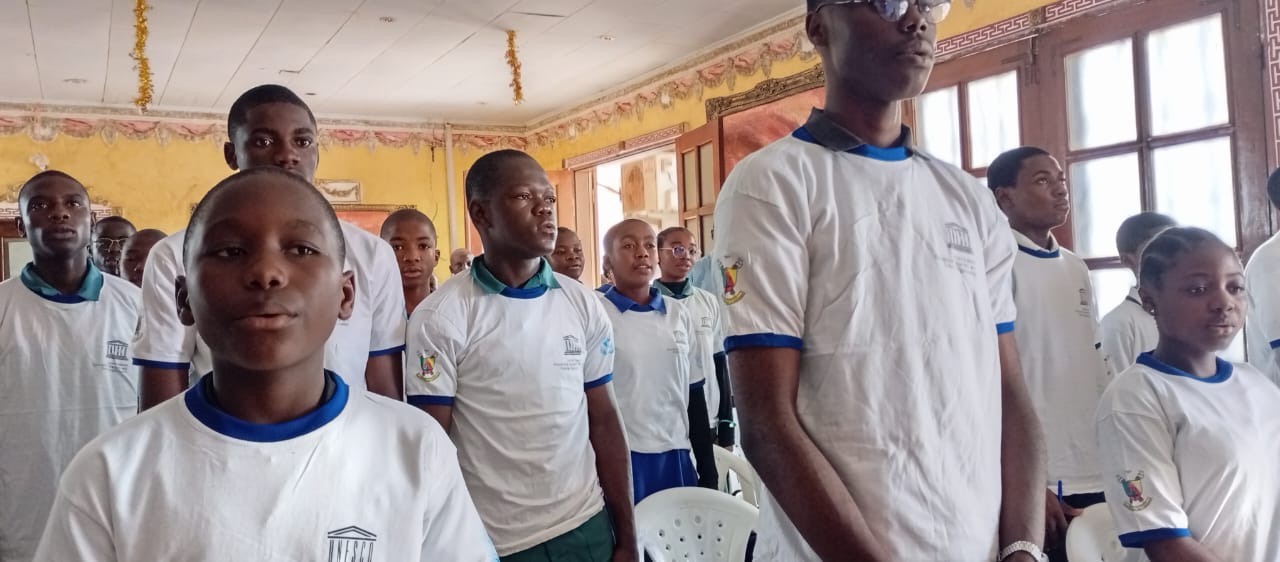
📸 Media and Artificial Intelligence Education Workshop (EMI-IA) on the occasion of the 60th edition of the Youth Festival 2026
📸 Objectives
In general terms, the aim is to strengthen, in a sustainable, strategic and inclusive manner, the media literacy skills and in-depth understanding of artificial intelligence among young people attending school in the Yaoundé 3ᵉ district, in order to promote critical, responsible and innovative use of digital technology for the benefit of their socio-economic and civic integration.
Specifically, these are:
✍🏿Effectively raise awareness among young people about the critical, rigorous and methodical analysis of information from traditional and digital media, with a view to actively combating disinformation and fake news;
✍🏿Educate young people in the responsible, ethical and conscious use of media and digital tools in their academic, personal and civic lives;
✍🏿Provide clear, accessible and motivating information about the issues, challenges and, above all, opportunities offered by artificial intelligence in a context of a changing job market and a freeze on traditional recruitment.
✍🏿Developing a spirit of innovation, creativity and digital entrepreneurship among young people by introducing them to the design of socio-economic projects incorporating artificial intelligence;
✍🏿Encourage intellectual independence, scientific curiosity and digital literacy among young beneficiaries, preparing them to become responsible and competent participants in the information society.
📸 Theme 1
The challenges of artificial intelligence in a context of hiring freezes
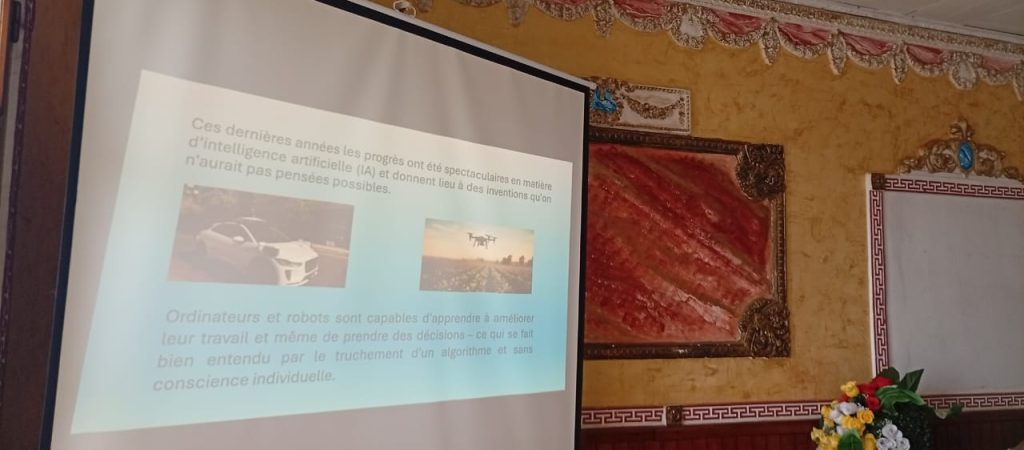
The first theme of the Media and Artificial Intelligence Education Workshop highlighted the strategic role of artificial intelligence (AI) in a national and global context marked by the freeze or scarcity of traditional jobs. Discussions emphasised that, far from being solely a threat to employment, AI is above all a lever for transformation, adaptation and the creation of new opportunities, particularly for young people.
Artificial intelligence has been shown to profoundly change working methods, the skills sought after and the sectors with the most growth potential. In this context, young people are called upon to develop digital skills, critical thinking and the ability to innovate in order to secure long-term employment in a rapidly changing job market. AI thus offers concrete opportunities in areas such as digital entrepreneurship, content creation, digital services, education, smart agriculture and the creative economy.
The communication also emphasised the need for ethical and responsible oversight of artificial intelligence in order to limit abuses, reduce inequalities in access and ensure that its use benefits as many people as possible. With this in mind, educating and raising awareness among young people appear to be absolute priorities.
Ultimately, this theme encouraged participants to change their perspective on the hiring freeze, viewing it not as inevitable, but as an opportunity for reinvention. It encouraged young people to position themselves as agents of change, capable of harnessing artificial intelligence to create value, promote their empowerment, and actively contribute to Cameroon's socio-economic development.
 English
  Français