📸From the Salle des Convivialités at the National Museum, you can follow: ⤵️ The conference debate on the theme: "Diaspora and citizenship: civic engagement, responsibilities and contribution to national development"
🎙️To Introduce
Dr. HABIT Bienvenue, keynote speaker, presented the definition of the Cameroonian diaspora, as well as its main contributions to national development.
He highlighted its economic contribution (remittances, investments), social contribution (community initiatives) and cultural contribution to promoting Cameroonian identity internationally, as well as the challenges and opportunities associated with better mobilising the diaspora to serve Cameroon.
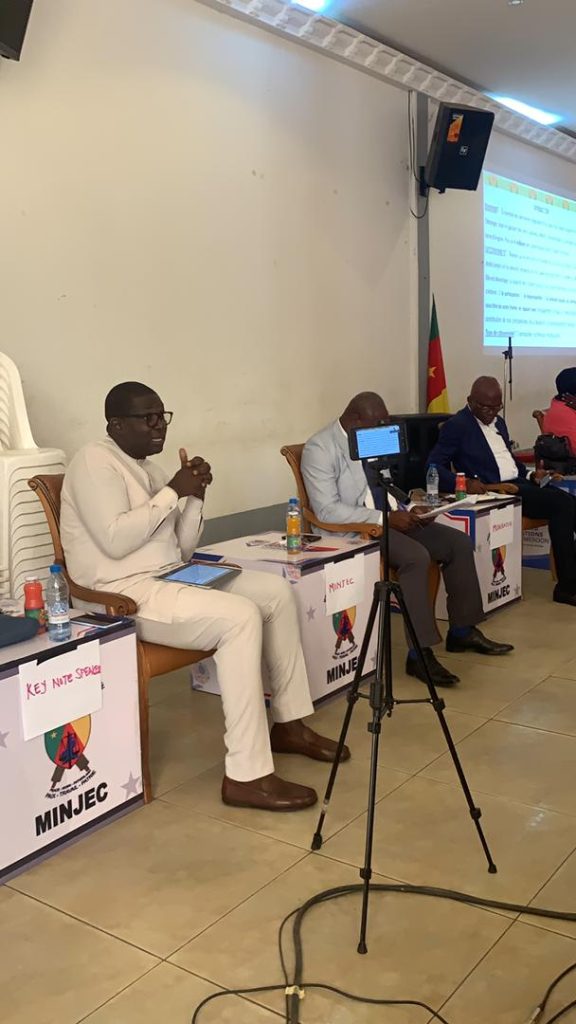
📸With professionalism and ease
Didier Nyoumi, moderator for the occasion and also Coordinator of the PPEJ, led the discussions. The debates and various contributions were conducted in a dynamic and efficient manner, following a structured format.
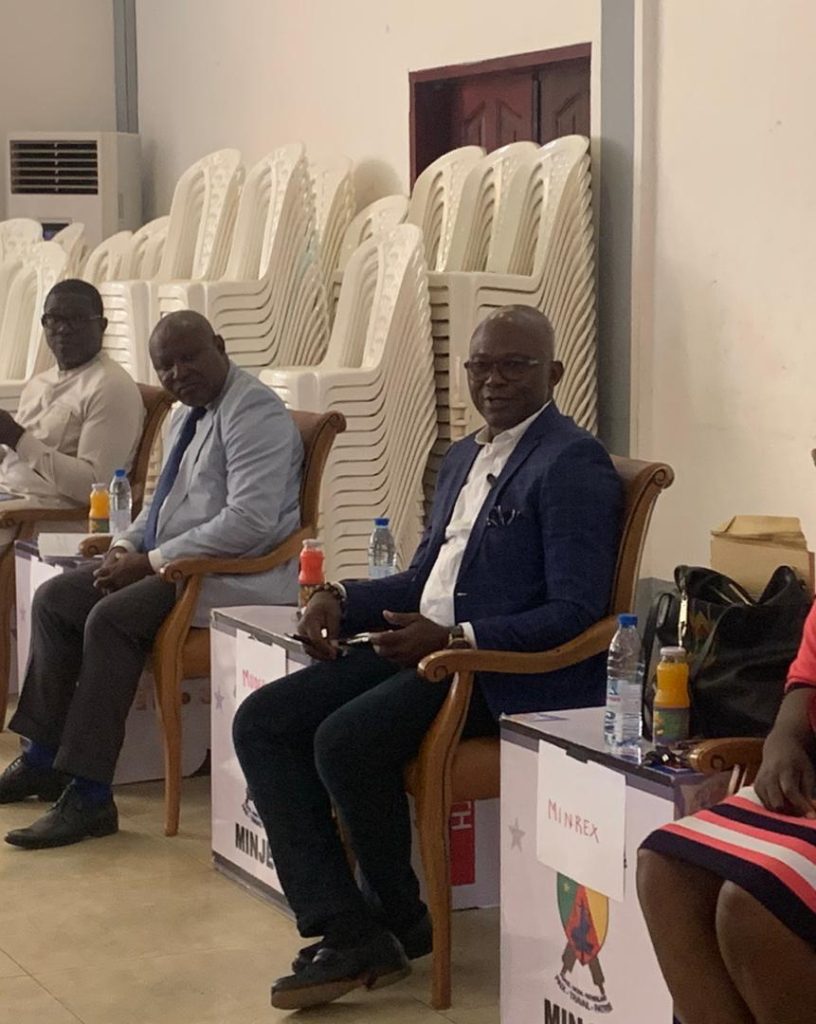
📸We continue
This time with Doris GWEDJI, Head of the Cameroonians Abroad Department at MINREX. She opened her speech by reminding participants that the Ministry of External Relations is the primary institutional point of contact for the Cameroonian diaspora, while pointing out that all ministerial departments have programmes and projects dedicated to young people and Cameroonians abroad.
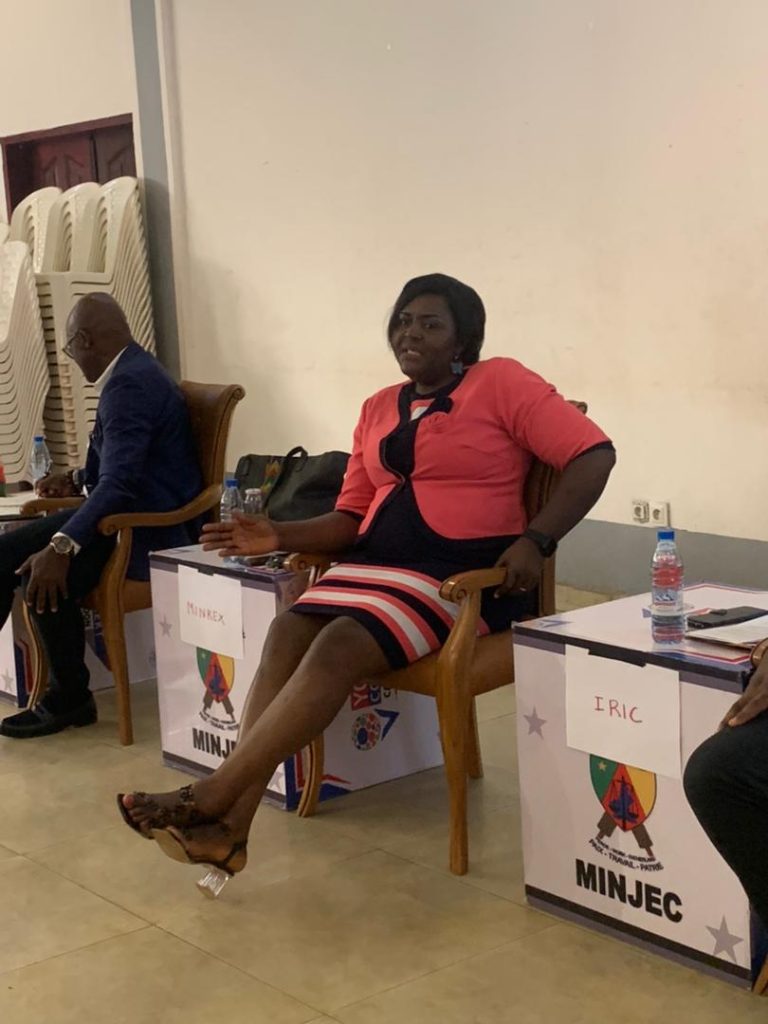
According to her, the main difficulties lie more in the lack of information, as well as in a certain form of disinterest or lack of commitment on the part of some fellow citizens and members of the diaspora.
She also presented a brief overview of the overall situation of Cameroonians living abroad, with statistical information on their distribution by geographical area. In conclusion, she invited young people to become more informed and the diaspora to strengthen their trust in national institutions.
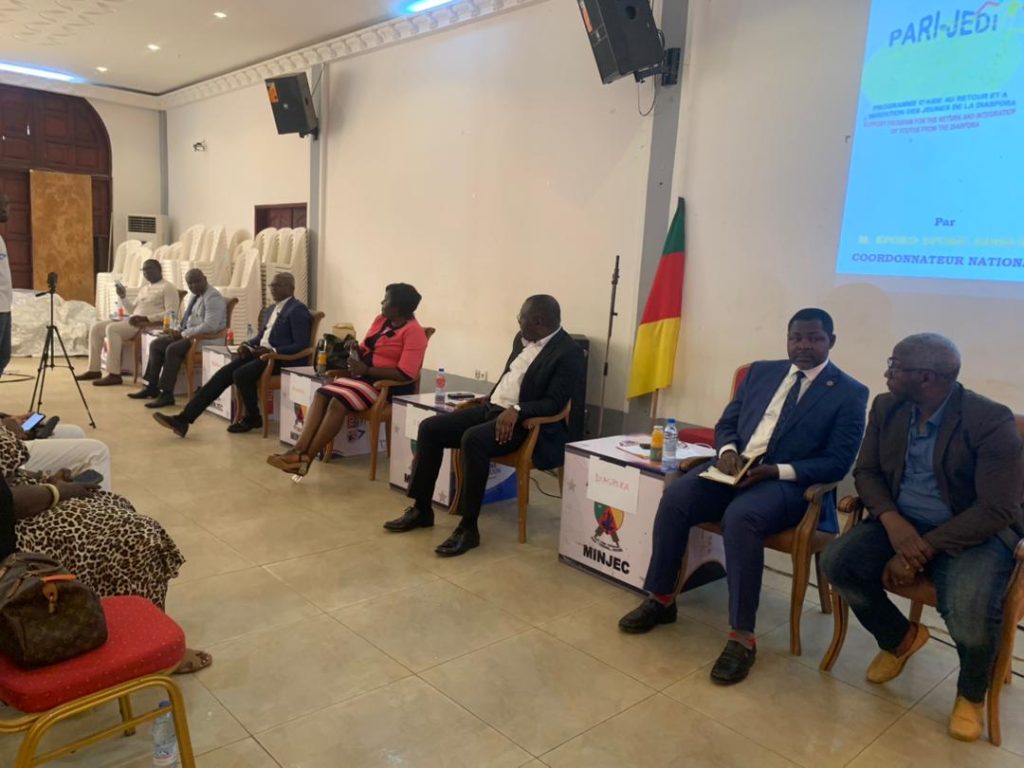
🎙️For a Diaspora Taken into Account
Anselme EPOKO EPOKO, Coordinator of the Programme for the Return and Integration of Young People from the Diaspora (PARI-JEDI), presented the support mechanisms for young people from the diaspora implemented by MINJEC, in particular PARI-JEDI and DIALYJ.
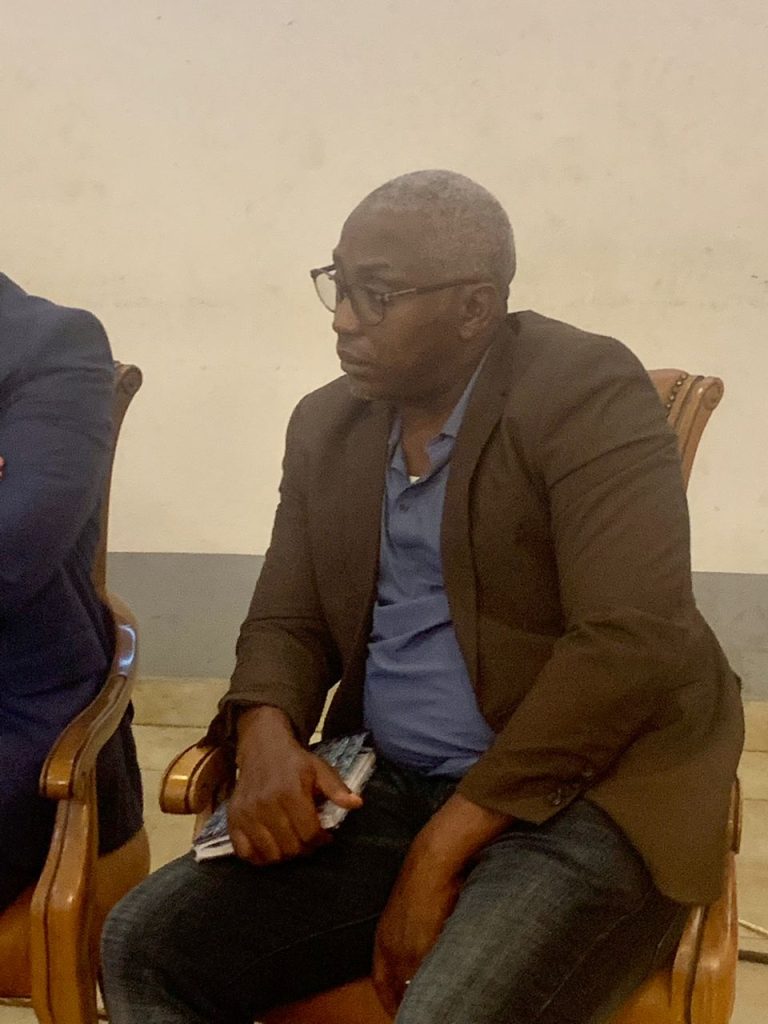
He reviewed the history of the programme's creation and explained that it aims to raise awareness and mobilise the capacities of young Cameroonians abroad, support them in their return and reintegration process, and promote their participation in Cameroon's development. He emphasised the importance of this programme as a lever for mobilising the diaspora in the service of national development.
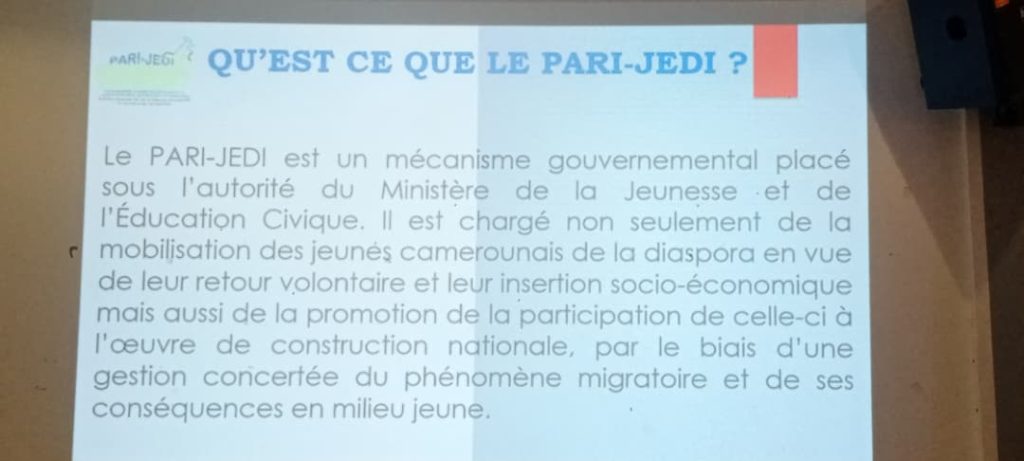
📷The panel therefore took the young people's concerns into account.
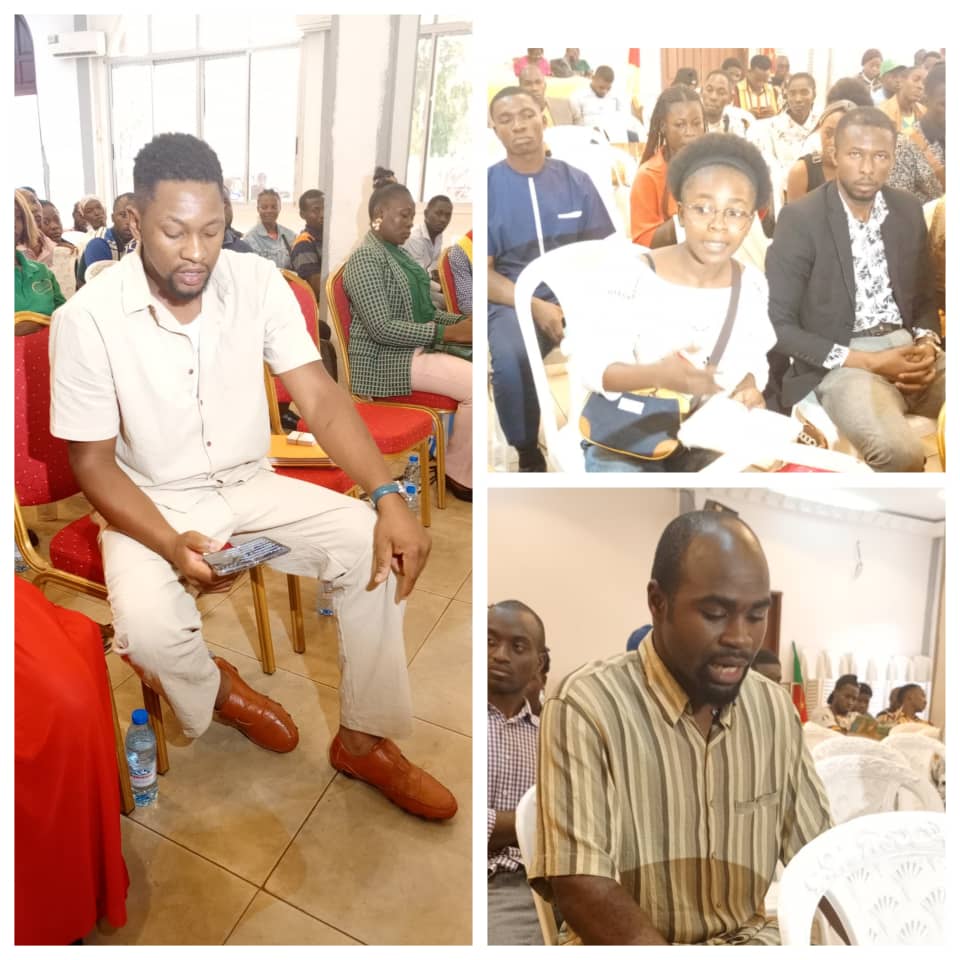
The highly engaged participants asked questions focused on: ⤵️
⭕Support measures put in place by the public authorities to facilitate the exemption of certain taxes for young entrepreneurs in the import-export sector.
⭕ Connecting young people from the diaspora with those in the territory to share experiences.
🎙️_Interview with Anselme EPOKO EPOKO, Coordinator of the Programme for the Return and Integration of Young People from the Diaspora (PARI-JEDI)_⤵️
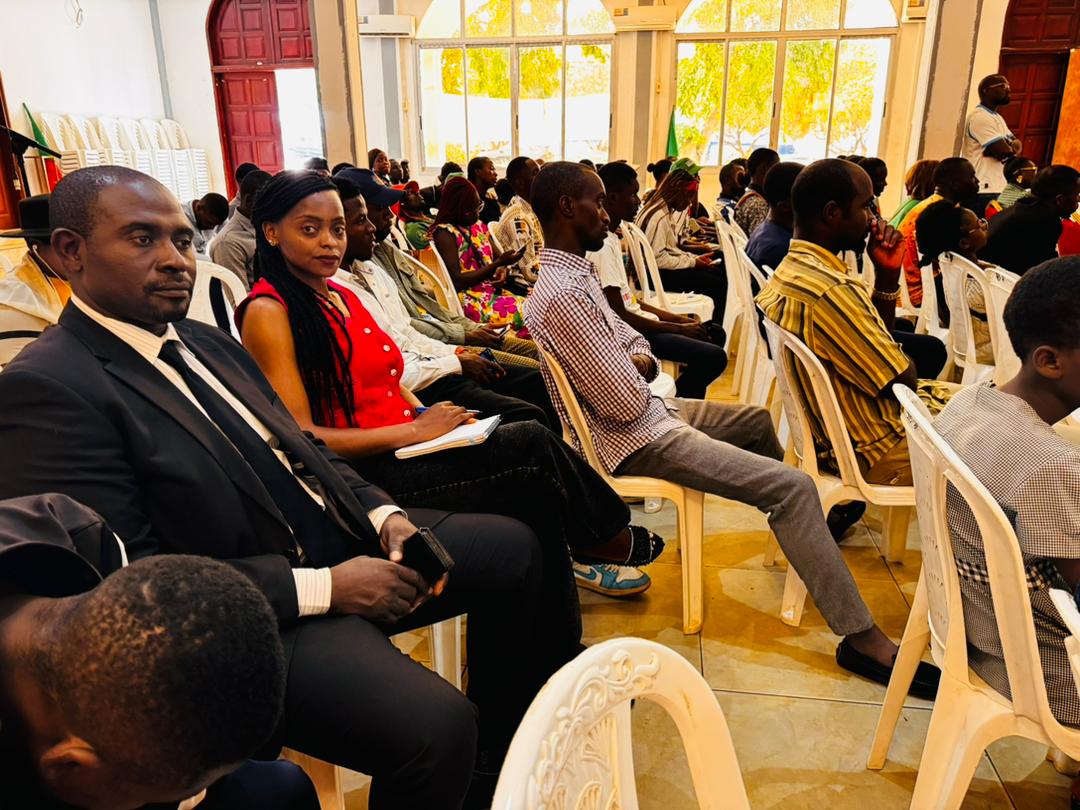
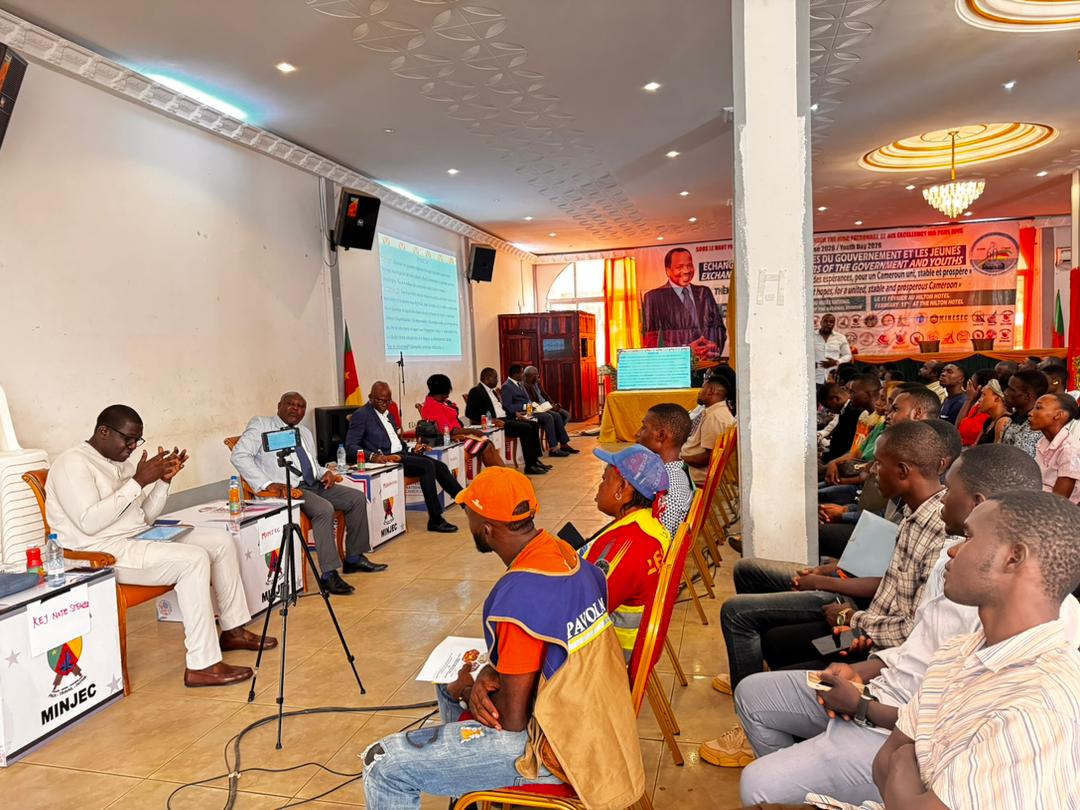
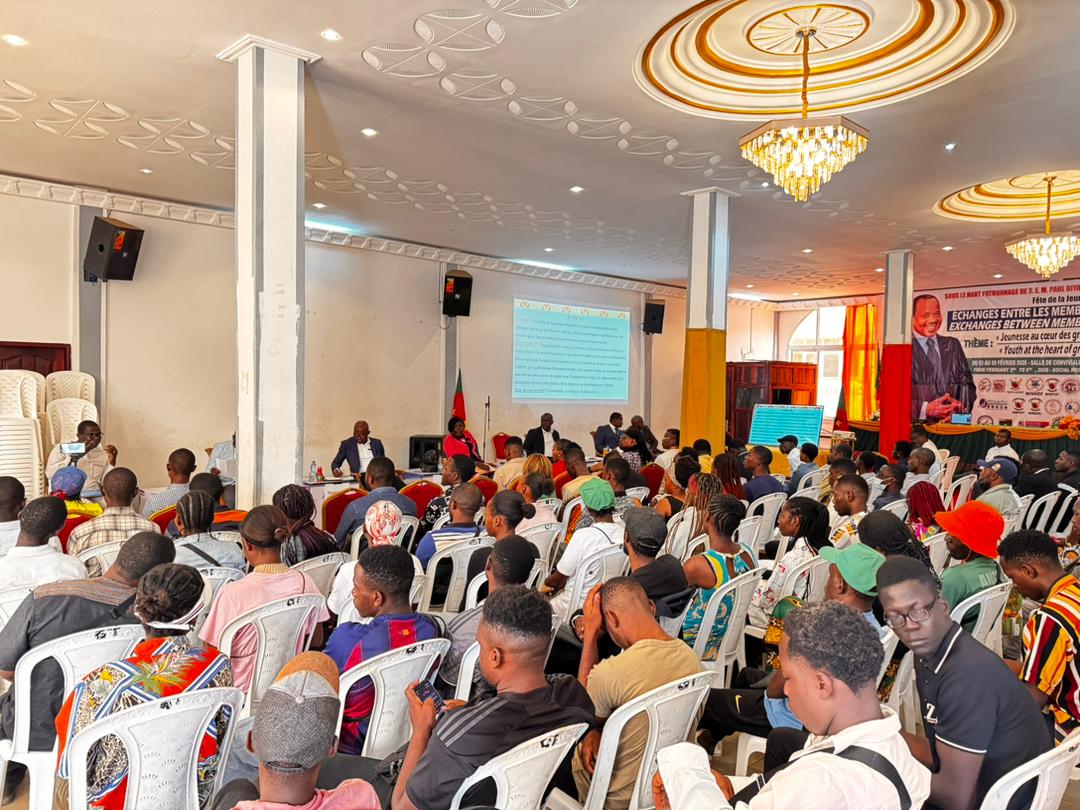
Mr Bengono Sylvain, Regional Delegate of MINJEC for the Centre (DRJEC Centre)began his speech by referring to a World Bank projection from 1963, which predicted that Cameroon would be the future engine of development in Africa.
He then reiterated that development is a collective responsibility involving all Cameroonians, including those in the diaspora.
To this end, he cited the example of several nations whose growth has been strongly driven by the active participation of their diaspora, particularly in economic, scientific and cultural terms.
He concluded by emphasising the importance of soft power, illustrated by the achievements of certain compatriots living abroad, while urging the diaspora to contribute fully to Cameroon's development.
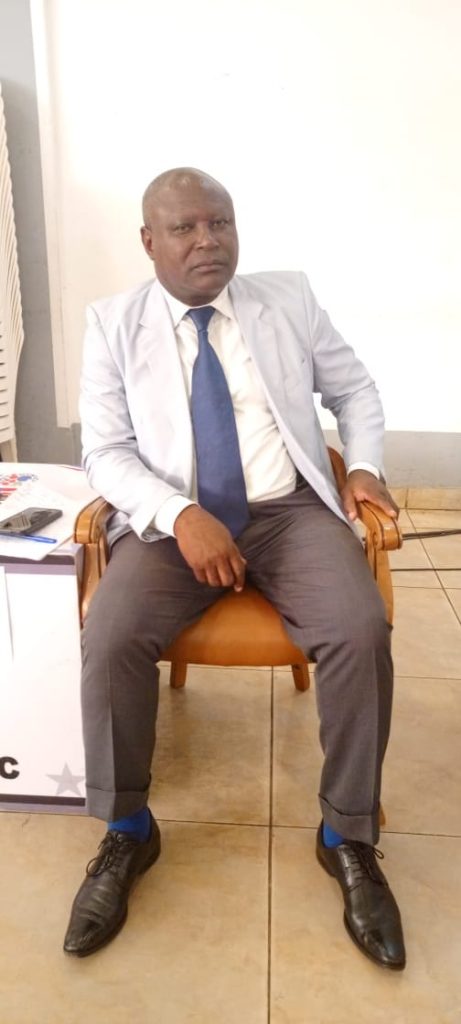
🎙️The Cameroonian Diaspora: Rights and Responsibilities
Professor Stéphane Mouandjo, lecturer in international law at IRIC, highlighted the rights and duties of Cameroonians living abroad, pointing out that the Constitution and the 2006 Act on the Status of Diplomatic Missions and Consular Posts of the Republic of Cameroon guarantee equality and rights for Cameroonian citizens abroad, while international law, in particular the Vienna Convention, provides a framework for consular support (consular cards, assistance in host countries).
He also emphasised the responsibility of the diaspora, which acts as an extension of Cameroon internationally, to represent the country and contribute to its appeal. Finally, he called for the establishment of mechanisms to organise departures and returns in order to maximise the strategic contribution of the diaspora to national development.
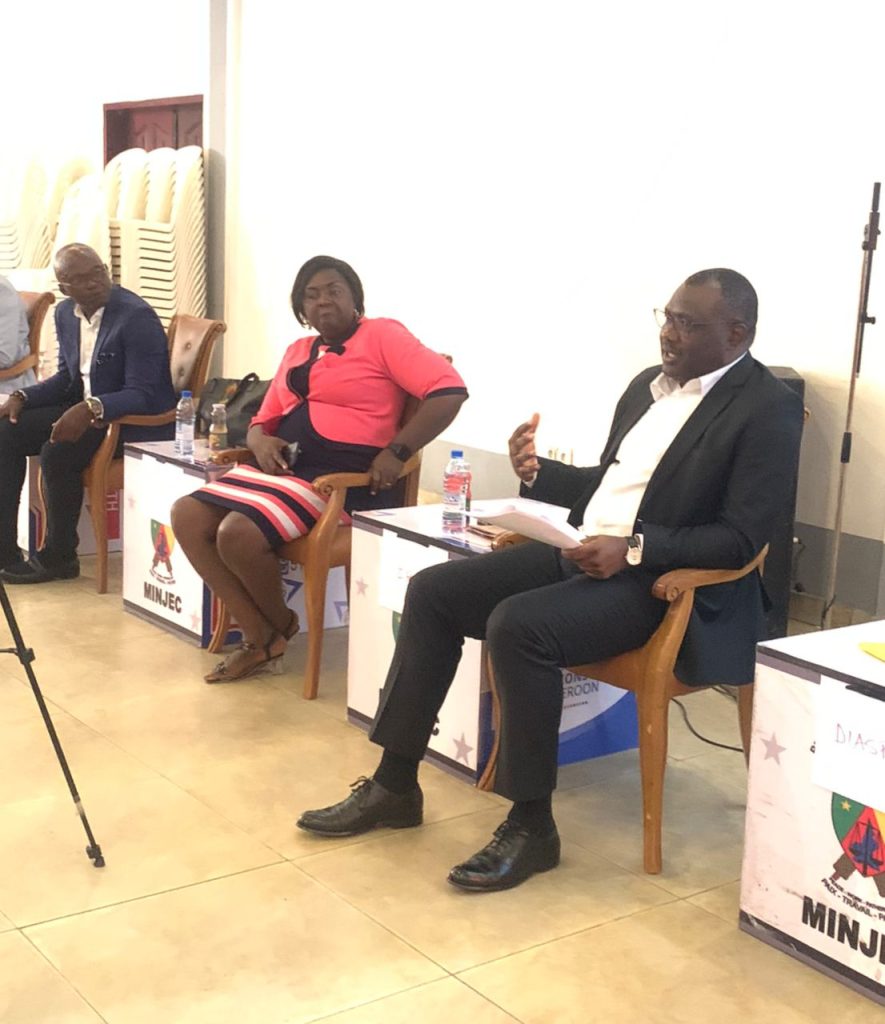
📸 A genuine sharing of experiences
Dr Kennedy TOUMENTA, a member of the diaspora, shared his experiences as a Cameroonian living abroad, highlighting the constraints and proposals regarding engagement with their country of origin.
He provided an analytical and comparative perspective on citizenship, emphasising that it is not limited to legal status, but also includes active civic responsibilities, such as participating in development initiatives, promoting the country's image and investing in structural projects.
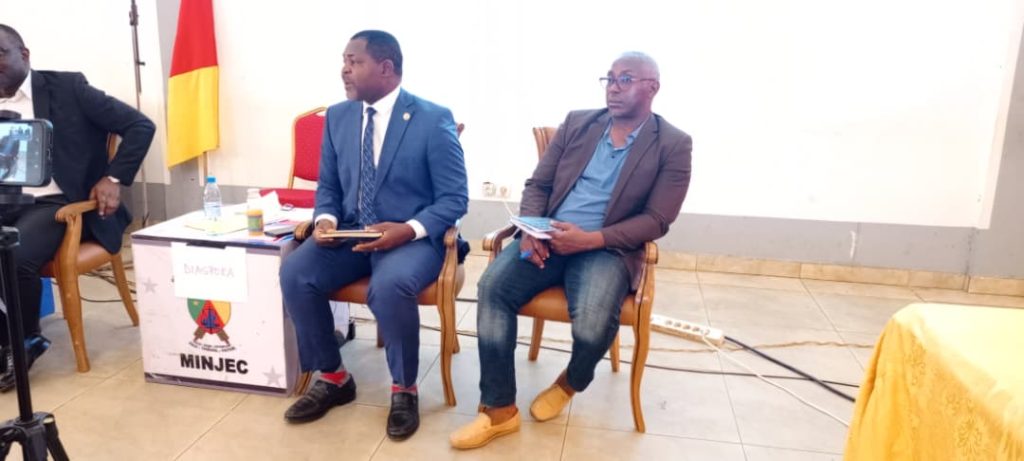
Dr Toumenta also highlighted the challenges facing the diaspora., including lack of information, administrative obstacles, and difficulties integrating into institutional dynamics. To remedy this, he proposed increasing and revitalising mechanisms for mobilising and supporting the diaspora, such as those implemented by MINJEC, notably PARI-JEDI and DIALYJ.
📽
⭕Diaspora Children's Camp, a major innovation
Nsangou NJIKAM AHMADHead of Civic Education in Schools. Presents the National Citizenship Games, the next edition of which will see a major innovation, notably the first edition of the Diaspora Children's Holiday Camp, which is one of the flagship activities of the 2nd edition of the National Citizenship Games (JENACI).
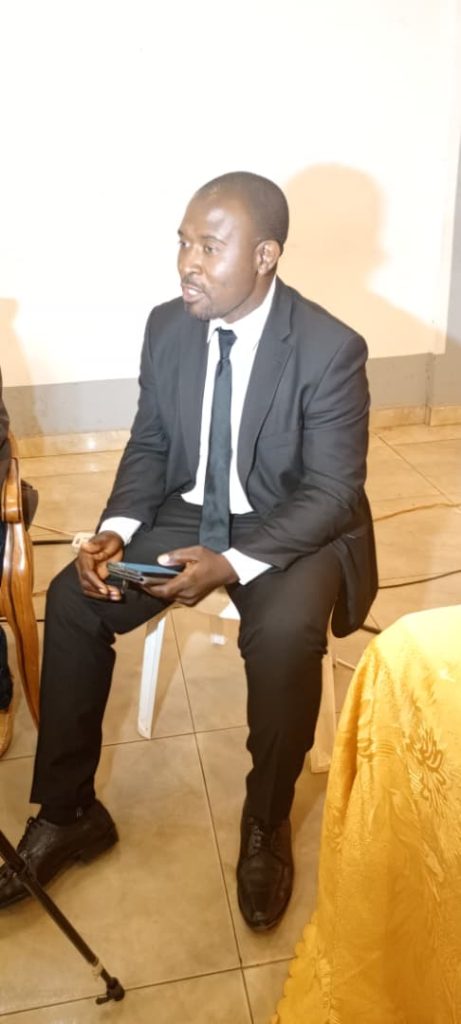
📌Be ambitious but patient
The Council of Elders to the cadets at the end of this conference.
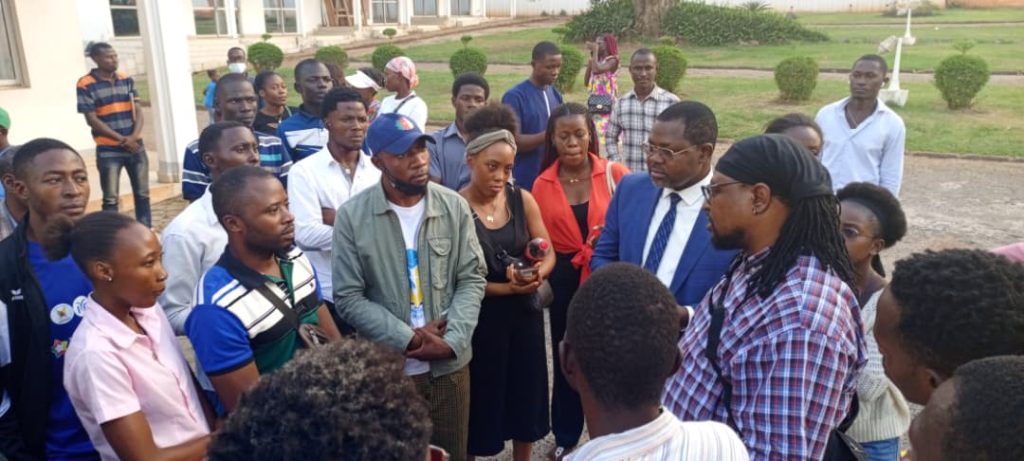
🎙️_Interview with the Honourable Ndzana Francois Xavier, Member of Parliament for Yaoundé 3_⤵️
 English
  Français